 A monthly mortgage can seem like enough of a financial responsibility on its own, but there are many factors involved in home ownership that affect its fiscal feasibility. If you’re in the market for a house and are wondering how your income will stack up against the rest of your expenses, here’s how to determine a home cost that’s reasonable for you.
Determine Your Down Payment
Before you start with anything else, you’ll want to determine the amount of money you can put down so you can estimate your monthly payments. The traditional amount for a down payment is 20% of the home’s purchase price, so if you don’t have anything close to this amount it might be worth waiting a little longer so you can minimize your payments and the amount of interest or mortgage insurance you’ll be paying in the long run. Each person’s situation is different, and there may be programs available with less than 20% down. This is an excellent question to pose to your trusted mortgage advisor.
Calculate Your Monthly Budget
If your mortgage cost already seems high, it will definitely be worth carefully calculating your monthly expenditures. Instead of a wild guess, take the time to sit down and calculate what your costs are including food, utilities, transportation and any other monthly necessities. Once you do this, it’s also very important to add any debt repayments you’re making to the mix. The total amount of your estimated mortgage costs, debt payments and living expenses should give you a pretty good sense of if your mortgage is viable in the long term.
Don’t Forget About The Extras
When it comes to purchasing a home, many people envision that they will be eating and sleeping their new home so don’t pay attention to all of the additional costs that can arise with living life. A new home is certainly an exciting, worthwhile financial venture, but ensure you’re realistic about what it entails. If you’re planning to go back to school or have children in the future, you’ll want to add a little bit of extra cushion in your budget so that you don’t have to put your other dreams on hold for the sake of your ideal home.
It can be very exciting to find a home you feel good about, but it’s important before making an offer to realize the amount of house you can afford so you don’t find yourself in a hole down the road. If you’re currently on the market for a new home, contact your trusted mortgage professional for a personal consultation.
 Many people are looking for a way to diversify their investments, and real estate investing is a popular option. Some people might be interested in short-term rental properties. What is a short-term rental property, and what are the responsibilities of property owners? Learn more about short-term rental properties to figure out if this is a solid option.
  There is so much to know when it comes to homeownership that even wading into all of the information can seem overwhelming, but if there’s one thing you need when the time comes to purchasing a home, it’s to be prepared. Here are a few ways that you can ensure you’re ready for what a mortgage entails so that buying your dream home will be a positive experience you won’t regret.
 Last week’s economic reporting included readings on home prices from S&P Case-Shiller and the Federal Housing Finance Agency; data on pending home sales and sales of new homes were also released. The University of Michigan released its final February reading on consumer sentiment and weekly reports on average mortgage rates and jobless claims were also published.
 With all the expenses that go into monthly living and the temptations that come along with life, saving money for the down payment on your new home can be quite a struggle for many people. If you’re having a hard time saving and are wondering what you can do to ensure a higher bank balance next month, here are a few things that may pose a risk to getting the home of your dreams.
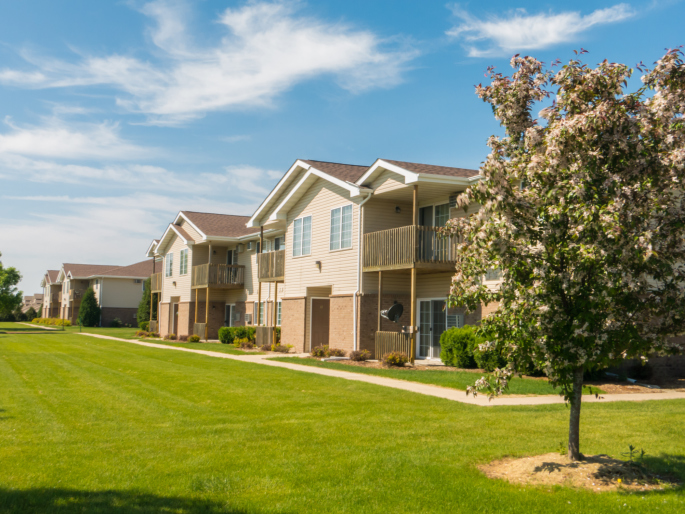 While U.S. home prices grew at record speed in December, rising mortgage rates threatened rapid price appreciation as buyers were sidelined by affordability concerns. S&P Case-Shiller’s National Home Price Index reported 18.80 percent year-over-year home price growth in December.
 There are a number of significant advantages that come with homeownership, and one of the biggest advantages is the ability to take out a home equity loan. As homeowners pay off the mortgage, the amount of equity in the house increases. Homeowners can borrow against the equity in their house to fund other projects. For example, homeowners could borrow against home equity to complete a home renovation, pay medical expenses, or pay down student loans. The most common home equity loans include cash-out refinances, a traditional home equity loan, and a home equity line of credit. Which is the best option?
 A fire can rage through your home at a moment’s notice, and it can cause a significant amount of damage in a very short period of time. Damage from the flames, intense heat, smoke and soot can cause tens of thousands of dollars or more in some cases, and a severe fire event can result in a total loss for the homeowner. More than that, a fire can create a serious health and safety risk for you and your loved ones inside the home. If you are concerned about how safe your home is from a fire, consider a few important points.
 The vast majority of people will need to go through a mortgage lender when purchasing a home. One of the last steps in the purchase process is the home appraisal. The lender wants to make sure they are not lending more money than the house is worth. If the appraisal value comes in above what the buyer is paying, then the buyer is happy because they might be getting a great deal. On the other hand, if the appraisal comes in below what the buyer is paying, this can be frustrating. What is the appraisal gap, and how does it work?