 Sometimes, when buying – or even thinking about buying real estate for investment purposes, you’re faced with the need to fix up the property.
The question then arises: Should I fix it up myself or hire it done? Unfortunately, no one can give you the right answer. However, there are a few questions that you can ask yourself to help decide the issue:
Do I Have The Time?
Time is an issue that many people forget about, but it should be one of the deciding factors. Some renovations, such as handles, hinges or kitchen hardware can take very little time to do. Others, like retiling a bathroom, can take hours, or even days to accomplish.
If you don’t have the time to do these things personally, you’ve already answered the question.
Do I Have The Money?
Obviously, money is as important a factor as time. Often, if you don’t have the time, you do have the money to hire someone. However, if you have neither the money nor the time, you may need to reassess whether you can really afford the real estate you’re thinking of buying.
You may want to continue looking to find something that needs fewer repairs or that you can get at a lower price.
Do I Have The Know-How?
Granted, there is a lot of do-it-yourself information out on the Internet. However, if you don’t have the necessary knowledge to understand what they’re saying, you’ll either have to research more, or hire someone.
Being knowledgeable on what you’re doing may not be so important when, say, you’re painting the living room, but it’s incredibly important if you need to rewire a room or want to knock down a wall.
The main key when deciding on what property to buy, what renovations need to be made and whether to do it yourself is simple: Be realistic. Be honest with yourself.
Can you really do this? Can you really afford it? Remember, if the answer is “no,” it could just mean “not right now.”
Don’t be afraid to wait until you have everything in place before picking your investment properties. If you’re careful with your time and money management, you may find yourself able to buy that dream real estate investment property.
Call your trusted real estate professional today and let them help you find the perfect real estate investment property.
 Purchasing an investment property is one of the most important decisions that you’ll ever be a part of. As such, it’s a necessity to make your decisions with only the most careful of consideration.
 These days, efficiency and productivity are the keys to life, which is why it’s no surprise that home automation is a bigger topic than ever before.
 Growing a home garden creates beauty, oxygen and even food for our families to enjoy. If you’re looking to get more from your home garden, here are four easy ways to improve a green thumb.
 Selling your home or property in a slow real estate market isn’t easy, but it can be done. Pricing your property right is the key to selling it within a reasonable amount of time.
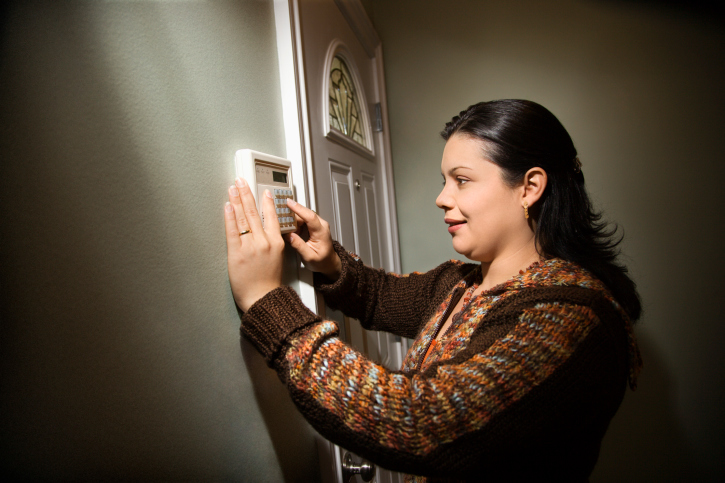 Burglaries are a concern for many North Americans. Although some communities report more break ins than others, everyone should be aware of their home’s safety and security. Protecting yourself and your home from thieves can contribute to a better quality of life.
 Building a tree house is a time honored tradition for many families. One of the benefits of having a yard is the ability to build a tree fort for your children.
 Last week’s economic news was fairly quiet due to the Memorial Day holiday on Monday and no scheduled news released on Wednesday.
 Whether you’re sprucing up your house to sell or simply looking for a color to bring out the beauty of your home, it’s imperative that you do your homework.