 Home equity is the difference between what your home can sell for and what you owe on it. Generally, the longer you own your home, the more equity you build.
This is money you can use before you sell your home through a home equity loan. Just keep in mind that a home equity loan is secured with your home. If you can’t make the payments, you can lose your home.
Use Your Home Equity In Smart Ways:
- Remodel Your Home – If you’ve wanted to add on a family room or modernize your kitchen, consider using your home’s equity to fund the project. Home improvements usually increase your home’s marketability and value.
- Make Needed Major Repairs – Your home’s equity can be a funding source for major repairs like plumbing problems and re-roofs. Once again, this is an improvement for your home that will help keep its value up.
- Buy Another Property – Real estate is still a safe investment. You can use your home equity to buy a second property when home values are down. When the market recovers, you can sell the investment property for a profit. This also works if you have to move out of town and are still trying to sell your home. If you can afford the payments, use your home’s equity to purchase your new home until the current one sells.
- Pay For Unexpected Medical Expenses Or Job Loss – You never know when a medical emergency or job loss will leave you in debt. A home equity loan can give you the money you need to get through this difficult time.
It’s easy to build equity in your home when you find the right deal. Let me help you find your perfect home and negotiate a great price and terms for you. Contact your real estate professional today.
 Last week’s economic news was dominated by the first address by the new Fed chairperson, Janet Yellen.
 Out with the old, in with the new. The beginning of 2014 can have you wanting to reinvent yourself — and your home. It’s time to start fresh.
 When we are going through a difficult and stressful time, our bodies naturally react to the situation. This “fight or flight” reaction to stress makes us more alert and ready to avoid danger, so it is helpful in the moment.
 Buying your first home is a major milestone in your life, similar to graduating high school or moving out of your parent’s house.
 Let’s face it, selling your home can be an emotionally difficult process – especially if you have lived there for a long time. When you make a house your home, it holds many of your memories and it becomes a part of your identity.
 Residential Construction Spending Up
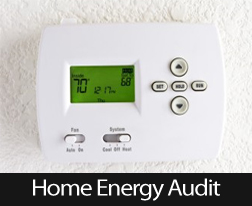 If your monthly energy bill has started to make you cringe, then it might be time to conduct an energy audit on your home. Hiring a professional can cost you a pretty penny. So save the dough and examine your home yourself.
 You’re ready to purchase a home, but you’ve looked at everything on the market and can’t find the perfect place. You’ve researched the school districts, neighborhoods and nearby amenities, and you know exactly in which area you want to live.