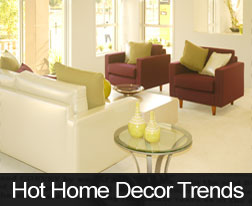
 Your home is your castle and its decor is a unique artistic expression of your tastes and aesthetic. In order to keep your home decor looking fresh and up to date rather than stale, it’s important to pay attention to the trends as they shift and change.
This is especially important if you are selling your home, because outdated decor can make a negative first impression on the buyer. If you are planning to redecorate this year, what are the hottest trends when it comes to home decor in 2014?
A Breath Of Fresh Air
Benjamin Moore Paints has announced their 2014 Color of the Year, which is a powdery sky blue hue called “Breath of Fresh Air”. It’s a gentle pastel color that works well with neutrals such as brown, grey and white and can also complement other blue and green hues in the same color family.
It looks sweet and modern and it is vibrant enough to make an impact while being pale enough not to draw too much attention to itself. Why not consider incorporating this light blue, or other shades like it, into your decor?
Pattern Trends For 2014
Last year, the trend of the moment was color blocking. However, these days the hottest thing at the moment is patterns that have a white background and a historic themed repeating print. For example, this might include wallpaper, drapes or fabrics with a floral print or a vintage design on white.
Another popular trend is geometric shapes, especially triangles and chevrons. These are often seen in bright and vibrant colors, sometimes also with a white background.
A Touch Of Handmade Elegance
Another interesting home decor trend of the moment is incorporating hand-made items into the room. This could include a hand-knit throw that is draped over a sofa, or an embroidered cushion.
If you are crafty, you could make these items yourself. Otherwise, you could purchase these one-of-a-kind pieces from your local artisans or only at shops such as Etsy.com.
These are just a few hot 2014 home decor trends to get you started on your decorating project. Be creative and have fun while decorating your home, so that you can create a unique and original place where you will feel happy and inspired.
For more tips and information, contact your trusted real estate professional.
 The Case-Shiller 10 and 20-City Home Price Indices for October were released on December 31. Although home prices in most cities continued to show year-over-year gains, the pace of home price appreciation is expected to slow in 2014.
 The last week of 2013 brought relatively good news in view of the economic roller coaster rides caused by legislative impasse. A brief shutdown of federal government agencies, and nail-biting suspense over if and when the FOMC of the Federal Reserve would taper its quantitative easing program.
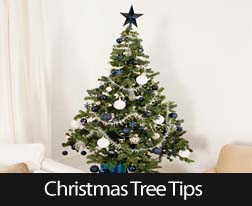 The holiday season is coming to an end. It’s time to pack up the stockings, and take the ornaments off the tree.
 Many people think that selling a home after the holidays and during the Winter season is a bad idea. Most people are not in the home buying mood, because they are thinking about the holidays.
 The holiday season and winter weather slowed home sales in November. Last week, the NAR reported that sales of existing homes had slumped to their lowest level in nearly a year, but this was not unexpected.
  The University of Michigan’s Consumer Sentiment Index was improved for December at 82.5, after the November reading was adjusted from 82.5 to 75. Analysts noted that consumers were relieved when legislative gridlock ended.
 With most of the country easing into full-on winter weather, last-minute outdoor projects need to happen soon. And what better way to enjoy a cozy holiday season than by drinking hot chocolate and roasting marshmallows at your very own outdoor fire pit.
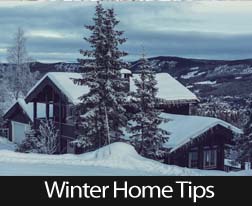 Did you know that, according to the U.S. Department of Energy, 10% of air leaks out of the average house through the windows? Also, an estimate by Energy Star states that homeowners could save an annual 7-15% on their energy bills by replacing their own windows with more efficient models.
 Christmas lights can be the most festive of holiday decorations, but actually putting them up can be a huge pain. With these easy step-by-step instructions, you can safely hang Christmas lights outside your house in no time. That way you can get back to what’s important, family time.