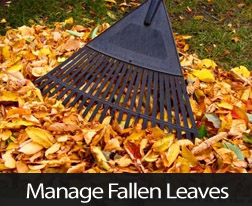
 The kids are back in school, the weather is getting cooler and your yard is covered in a layer of fallen leaves. Yep, it’s that time of the year again, but don’t think of fall leaves as a chore. They can be a useful resource for fertilizing your lawn or even decorating your home for autumn.
Finish The Raking
It’s tempting to just let the leaves lie in the yard. It’s good fertilizer anyway, right? Wrong. You should rake everything up as soon as the trees begin to look bare, or else risk the blanket of leaves smothering your lawn over the winter season. Gather them up in plastic bags and put them to use.
Refuse To Rake Leaves
If you can’t bring yourself to pick up a rake, you do have an alternative. Wait until the leaves are dry and crunchy and fire up the lawnmower once more before winter. Many mowers have a mulch setting that will chop the fallen leaves to bits.
The smaller pieces won’t suffocate your lawn, and the crushed leaves make a good fertilizer. If you’d rather use the leaf bits in the garden or a flowerbed, use a grass clipping catcher with your mower to gather up the pieces as you mow.
Use Mulch And Fertilizer
Fresh chopped leaves are a good homemade mulch. Put a layer on the garden and the flower bed to replenish the soil over winter. Also, be sure to put a thick layer around young trees and shrubs to keep them warm. If you really want to get the most out of your leaves, then take them to the compost pile.
Mix the leaves in with the regular green yard waste, and the leaves will boost the composting process into overdrive. The fully composted material makes a potent fertilizer.
Get Crafty
Set some leaves aside to take indoors. The changing colors of the fall leaves are part of the beauty of autumn. Why not bring some of that beauty into the house?
Fill a vase with leaves for a seasonal centerpiece, or use a wire frame to make a wreath for the front door. You can make leaf etchings with the kids or simply use one as a bookmark.
It’s sad to see so many fall leaves burned up in piles, or put out with the trash. The leaves on the lawn aren’t just a mess to be cleaned up. Inside or outdoors, autumn leaves are an easy, natural, and free material. Be sure to put them to use!
 Existing home sales for September fell by 1.90 percent from August’s revised reading of 5.39 million sales to 5.29 million sales. Economists had expected 5.30 million sales for September, so a slow-down in existing home sales had been anticipated.
 Many of the economic and housing reports typically scheduled were delayed by the federal government shutdown.
 As the temperatures start to drop, we spend less time outdoors and more time inside where it’s warm. Unfortunately fall pests have the same idea. This is the season when rodents and cockroaches seek shelter from the cold.
 The National Association of Homebuilders/Wells Fargo Housing Market Index dropped two points to 55 from September’s revised reading of 57. Builder concerns over labor costs and availability and economic uncertainty related to the federal government shutdown were noted as factors contributing to the lower reading for October.
  You might love your furry friends, but are their pet odors turning off potential buyers when you are trying to sell your home?
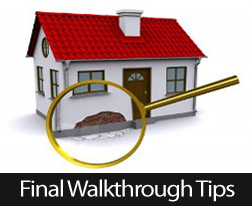 By the time you get to the final walkthrough on your property, the home buying process is almost complete. However, it is still important to pay close attention to this final step, as it will be crucial in the success of your home purchase.
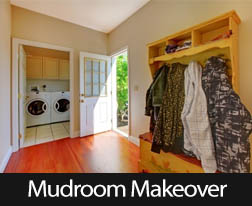 From crunched-up leaves stuck to bottoms of shoes to bulky coats shed as soon as kids walk through the door, mudrooms are ideal for keeping outdoor dirt, wet clothing and outerwear from being strewn throughout your home.
 Having your home broken into is completely violating. Burglars don’t just steal your stuff; they steal your peace of mind. While this is the sort of thing you think will never happen to you, it’s worth the time and effort to make sure you’re not a target.
 Home inspections are a tense time for everyone. Sellers are fervently hoping that nothing major is wrong with their home that could hold up the transaction.