 Buying your first home is an exciting milestone, but it can also be an overwhelming process, especially when it comes to understanding mortgages. For many first-time homebuyers, the world of mortgages can seem complex and filled with unfamiliar terminology. However, with a little knowledge and guidance, navigating the mortgage process can become much more manageable. In this guide, we’ll break down the basics of mortgages, explain key terms, explore different types of mortgages, and outline the application process for beginners.
Key Terms to Know:
Before diving into the specifics of mortgages, it’s essential to understand some key terms:
Principal: The amount of money borrowed to purchase a home.
Interest Rate: The percentage of the principal charged by the lender for the use of its money.
Down Payment: The initial payment made by the buyer toward the purchase price of the home.
Amortization: The process of paying off a loan through regular payments over time.
Closing Costs: Fees associated with finalizing the mortgage and transferring ownership of the property.
Types of Mortgages:
There are several types of mortgages available to homebuyers, each with its own set of features and benefits. Here are some of the most common types:
Fixed-Rate Mortgage: With a fixed-rate mortgage, the interest rate remains the same throughout the life of the loan. This provides stability and predictability for homeowners, as monthly payments remain constant.
Adjustable-Rate Mortgage (ARM): Unlike a fixed-rate mortgage, an ARM has an interest rate that adjusts periodically based on market conditions. While initial interest rates are often lower than those of fixed-rate mortgages, they can increase over time, potentially leading to higher monthly payments.
FHA Loan: Insured by the Federal Housing Administration, FHA loans are designed to make homeownership more accessible to buyers with lower credit scores or smaller down payments. These loans typically require mortgage insurance premiums.
VA Loan: Available to eligible veterans, active-duty service members, and certain military spouses, VA loans are guaranteed by the Department of Veterans Affairs and offer favorable terms, including no down payment and competitive interest rates.
USDA Loan: Backed by the U.S. Department of Agriculture, USDA loans are designed to help buyers in rural areas purchase homes with little to no down payment.
The Application Process:
The mortgage application process can vary depending on the lender and the type of loan. However, the following steps are typically involved:
Pre-Approval: Before beginning your home search, it’s advisable to get pre-approved for a mortgage. This involves submitting financial documents to a lender, who will then assess your creditworthiness and determine the maximum loan amount you qualify for.
Home Search: Once pre-approved, you can begin searching for your dream home within your budget.
Loan Application: After finding a home, you’ll complete a formal mortgage application with your chosen lender. Be prepared to provide detailed financial information, including income, assets, and debts.
Underwriting: The lender will review your application and financial documents to assess your creditworthiness and the risk of lending to you.
Closing: If your application is approved, you’ll attend a closing meeting to sign the final paperwork and officially take ownership of the property. Be prepared to pay closing costs, which typically include fees for appraisal, title insurance, and attorney services.
Navigating the mortgage process as a first-time homebuyer can be daunting, but with the right knowledge and preparation, it’s entirely manageable. By understanding key terms, exploring different types of mortgages, and following the application process step by step, you’ll be well-equipped to make informed decisions and achieve your goal of homeownership. Remember, your lender and real estate agent are valuable resources who can offer guidance and support throughout the process.
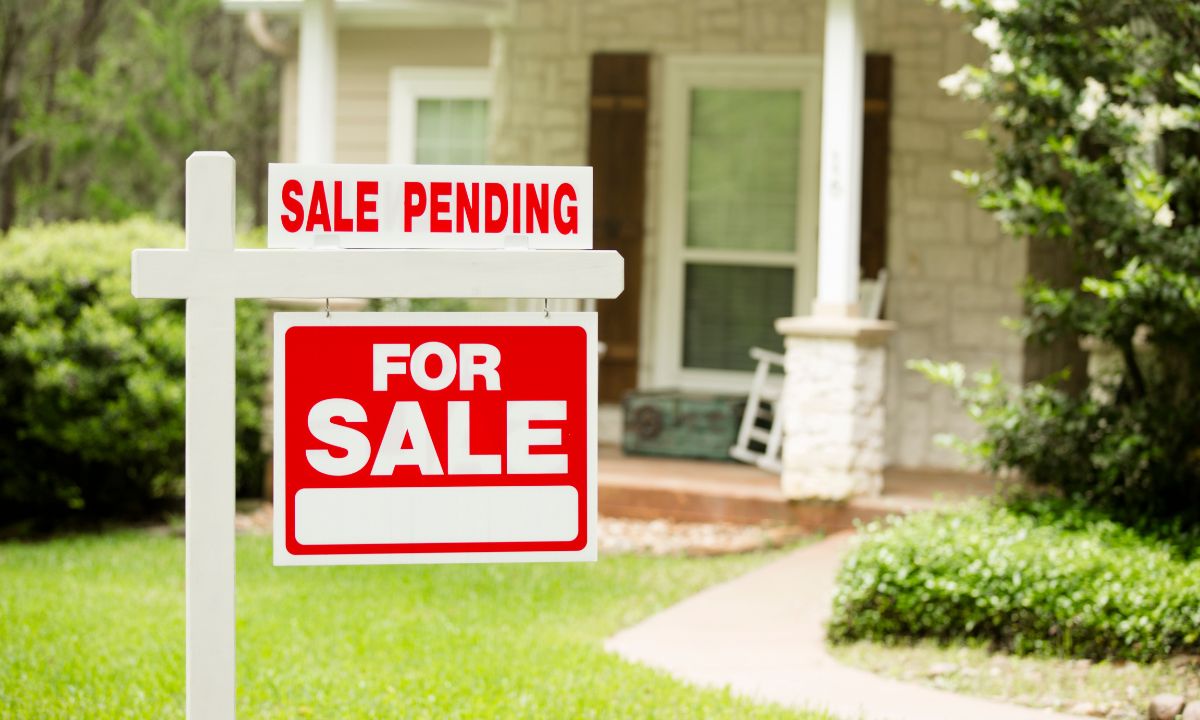 Navigating the real estate market can be a complex journey, especially with the variety of terms and statuses you encounter during your search for the perfect home. One such term that often confuses homebuyers is “sale pending.” What does it mean when a property is listed as “sale pending,” and how should you approach these listings? Let’s break it down.
 With all of the economic uncertainties, many homeowners find themselves facing financial hardships that impact their ability to meet mortgage payments. Whether it’s due to job loss, medical emergencies, or other unexpected circumstances, the fear of losing one’s home can be overwhelming. Fortunately, there’s a lifeline available in the form of mortgage forbearance.
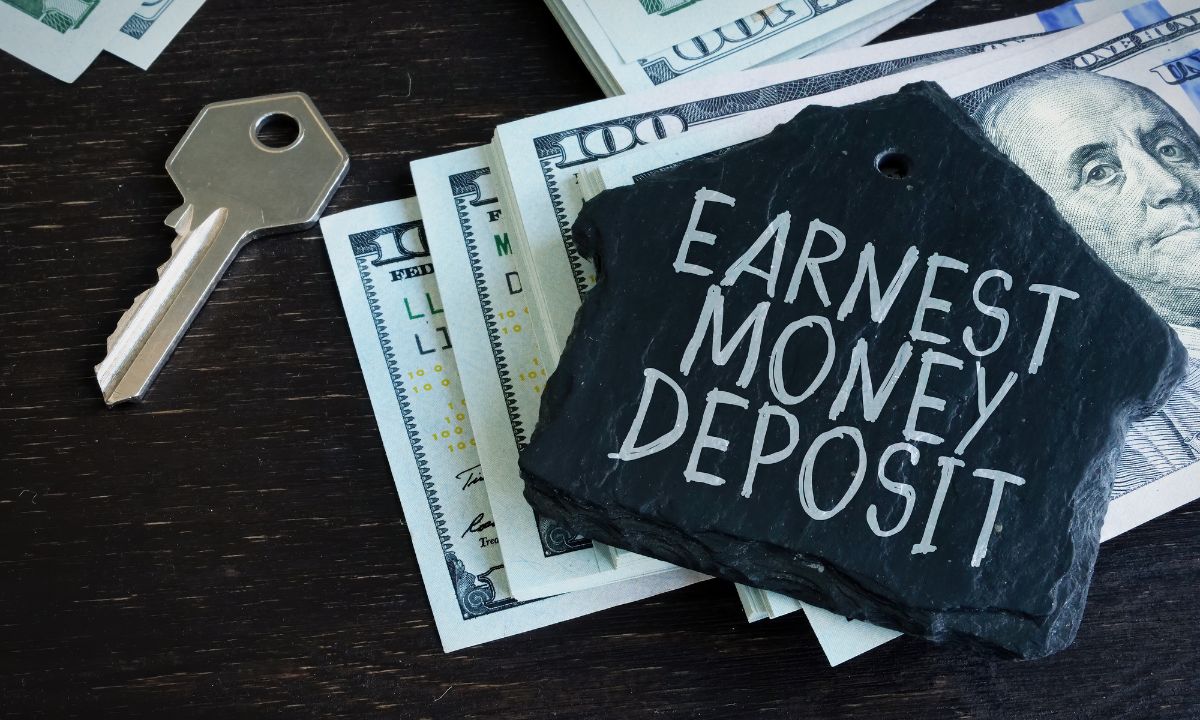 If you’re stepping into the world of real estate, understanding earnest money is paramount. So, let’s dive in.
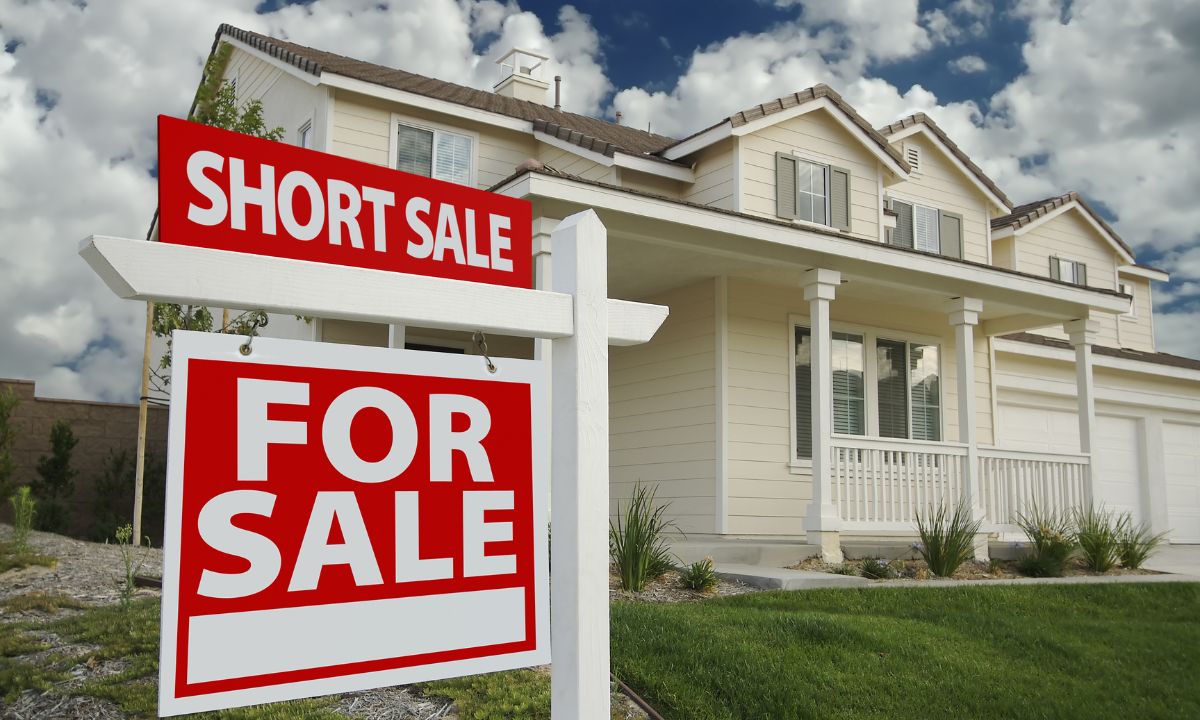 When you’re looking to buy a home, finding a good deal is exciting, but it can also have some tricky parts. Short-sale properties are one place where this happens a lot. If you’re thinking about buying one, it’s important to know what you’re getting into. Let’s take a closer look at short sales, the associated risks, and potential benefits for consumers.
 In recent years, the concept of eco-friendly homes has gained significant traction, and for good reason. As awareness of environmental issues grows, more homeowners are seeking ways to minimize their carbon footprint while also reaping the benefits of sustainable living. We will discuss the world of eco-friendly homes, exploring their sustainable features and the potential cost savings they offer. From solar panels to energy-efficient appliances, there’s a plethora of options available to conscientious homeowners looking to make a positive impact on the planet.
 Today we will help you unlock the secrets to making your home irresistible to potential buyers without breaking the bank. Selling a house can be an overwhelming task, but with the right staging techniques, you can significantly enhance its appeal and attract more buyers. Let’s discuss some practical tips and tricks to help you showcase your home in the best possible light.
 So, you’re considering buying a second home? Whether it’s a cozy cabin in the woods, or a beachfront retreat, the idea of owning a second property is undoubtedly exciting. However, before you get swept away by visions of lazy weekends and family gatherings, it’s crucial to understand the financial implications, especially when it comes to mortgages. Here are some suggestions to help you work through the mortgage considerations when buying a second home.