 There are a number of significant advantages that come with homeownership, and one of the biggest advantages is the ability to take out a home equity loan. As homeowners pay off the mortgage, the amount of equity in the house increases. Homeowners can borrow against the equity in their house to fund other projects. For example, homeowners could borrow against home equity to complete a home renovation, pay medical expenses, or pay down student loans. The most common home equity loans include cash-out refinances, a traditional home equity loan, and a home equity line of credit. Which is the best option?
A Cash-Out Refinance
The first option is called a cash-out refinance. Essentially, homeowners are taking out a loan for an amount that is greater than the current mortgage. Then, homeowners will keep the difference in the two loan values for their personal use. Homeowners essentially refinance the existing mortgage and extract additional equity. There is only one mortgage payment, and any interest on the new loan is tax-deductible.
A Home Equity Loan
The next option is a traditional home equity loan. Homeowners borrow against the existing equity in the home, and homeowners create a second mortgage. There is a fixed interest rate on the second mortgage, and homeowners receive the money as a lump sum. It is not unusual for the interest rate on the second mortgage to be higher than the first mortgage. Then, they have to pay off the second mortgage just like the first mortgage.
A HELOC
Homeowners who are okay receiving the funds over time might be interested in a home equity line of credit, also known as a HELOC. The initial interest rate on a HELOC is often lower than the mortgage, but it can vary with time. Payments are often lower because homeowners only owe money if they actually use the line of credit. Interest is only charged on the outstanding balance.
Choose The Right Option
Homeowners need to understand the differences between these home equity loans to choose the best option for them. Some of them provide lump sums, some create multiple monthly payments, and some have more flexible payment terms. The features of each loan must be compared to the needs of the individual homeowner.

 A fire can rage through your home at a moment’s notice, and it can cause a significant amount of damage in a very short period of time. Damage from the flames, intense heat, smoke and soot can cause tens of thousands of dollars or more in some cases, and a severe fire event can result in a total loss for the homeowner. More than that, a fire can create a serious health and safety risk for you and your loved ones inside the home. If you are concerned about how safe your home is from a fire, consider a few important points.
 The vast majority of people will need to go through a mortgage lender when purchasing a home. One of the last steps in the purchase process is the home appraisal. The lender wants to make sure they are not lending more money than the house is worth. If the appraisal value comes in above what the buyer is paying, then the buyer is happy because they might be getting a great deal. On the other hand, if the appraisal comes in below what the buyer is paying, this can be frustrating. What is the appraisal gap, and how does it work?
  Many people rely on Airbnb to go on vacation because this website often makes booking easier, affords more flexibility, and is frequently cheaper when compared to a hotel. Therefore, some real estate investors rely on Airbnb as an investment strategy. At the same time, this is not necessarily the best option for everyone. What do people need to know about using Airbnb as a real estate investment strategy?
 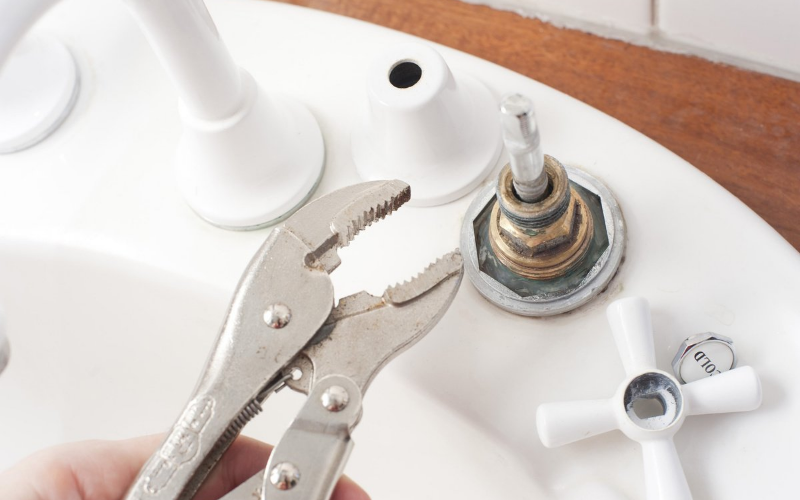 A house is an investment, and it is important to treat it as such. Homeowners must capitalize on the value of their homes when they go to sell them. One of the best ways to do so is to handle minor repairs before listing the house. Minor repairs do not take that long, so homeowners don’t have to worry about delaying their timeline. Furthermore, they are not that expensive to fix, but they can have a significant impact on the value of the home. Why is this the case?
 Last week’s economic reporting included readings on inflation and the University of Michigan’s preliminary February reporting on consumer sentiment. Weekly readings on mortgage rates and jobless claims were also released.
 Most people treat their dogs as members of the family. Just as moving can be difficult for children, moving can be a challenge for dogs as well. Dogs develop an attachment to their homes, and they can have a hard time adjusting to a new place. Fortunately, there are a few steps that homeowners can take to make the moving process easier for everyone involved, including dogs.
  Many people romanticize the idea of paying off their home mortgage early so they can enjoy their home in retirement, but when it comes to the later years of life, a big house can actually be too much to handle. If you’ve started to consider a smaller home and are wondering why it might be a good decision for you and yours, here are a few things you may want to consider.
 A home is an investment, so it is important to treat it as such. The best time to capitalize on a home’s value is when it is sold. Therefore, it is important to take care of it with some simple home maintenance tips. There is a common misconception that if something is working well, it does not need to be fixed; however, it is always better to prevent problems from happening than to fix them after they have appeared. The average homeowner should spend between one and four percent of a home’s value per year to keep it in excellent condition. There are several key home maintenance tips that homeowners need to keep in mind.