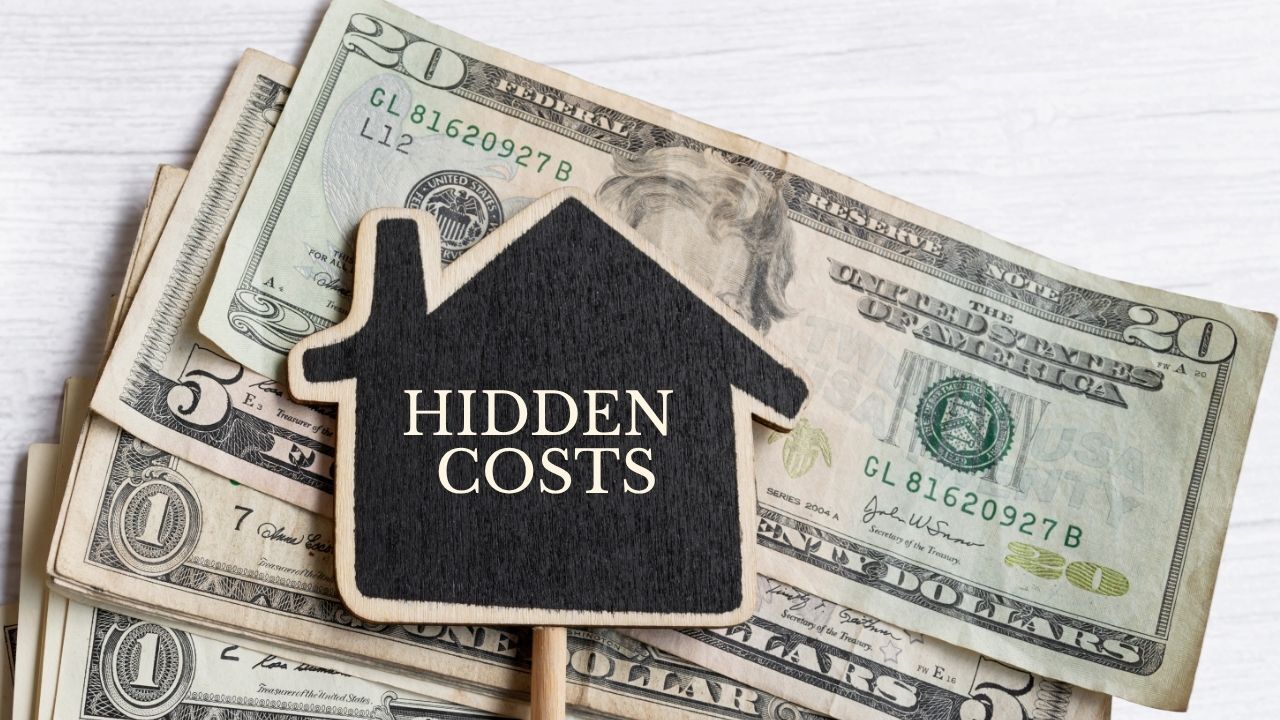
 Buying a home is one of life’s biggest milestones, but it also comes with ongoing responsibilities that many first-time buyers overlook. The purchase price and mortgage are only part of the picture. Once the excitement of closing day fades, new homeowners often discover a range of hidden costs that can affect their monthly budgets and long-term financial stability.
Regular Maintenance and Repairs
Every home, no matter how new, requires upkeep. From cleaning gutters to servicing heating and cooling systems, routine maintenance helps prevent expensive problems down the road. Experts often suggest setting aside one to three percent of your home’s value each year for maintenance and repairs. Roof replacements, plumbing leaks, and appliance breakdowns can occur unexpectedly, so planning ahead ensures you are prepared when issues arise.
Property Taxes and Homeowners Insurance
Property taxes and insurance premiums are essential costs that can fluctuate over time. Taxes may increase as property values rise or local budgets change. Insurance rates can also shift due to location, coverage adjustments, or weather risks. Understanding how these expenses are calculated and budgeting for potential increases helps homeowners avoid financial surprises later.
Utilities and Energy Costs
Utility bills are another area where costs can increase quickly. Electricity, gas, water, and internet services are all part of daily living expenses. Seasonal changes, especially in areas with hot summers or cold winters, can cause significant fluctuations. Energy-efficient upgrades such as LED lighting, insulation, and smart thermostats can help reduce these ongoing costs while improving comfort.
Homeowners Association Fees
For properties within a homeowner’s association, or HOA, monthly or annual fees may be required to cover amenities, maintenance, and community services. These fees vary widely depending on the neighborhood and the facilities offered. While HOAs can add value and convenience, it is important to understand what is included in the cost and how often rates are reviewed or increased.
Major Replacement Costs
Over time, key home components will need to be replaced. Roofs, water heaters, HVAC systems, and kitchen appliances all have limited lifespans. Budgeting for these replacements can prevent financial strain when they eventually wear out. Creating a separate home repair fund can make these large expenses more manageable and less stressful when the time comes.
How to Prepare Financially
The best way to handle hidden homeownership costs is through proactive financial planning. Establish an emergency fund specifically for home expenses. Regularly review your budget to ensure it reflects changes in taxes, insurance, and utility rates. Conduct annual maintenance checks to address small issues before they become major repairs. A well-prepared homeowner can handle surprises with confidence and protect their investment over time.
Owning a home is both rewarding and demanding. While hidden costs can catch some buyers off guard, careful preparation turns those challenges into manageable realities. A home is not just a financial investment; it is a commitment to maintaining a safe and comfortable space for years to come.
 For many homewners, pets are not just animals, they are cherished family members. As a result, more buyers are prioritizing pet needs when searching for their next home. Whether it is a fenced backyard for a playful puppy or a neighborhood that welcomes animals, pet-centered home buying has become one of the most important trends in real estate.
 The real estate world is experiencing a major shift as technology reshapes the way homes are marketed and sold. Artificial intelligence and smart digital tools are transforming how agents connect with potential buyers. Traditional open houses, once the main event for showing homes, are now being enhanced, or sometimes replaced, by virtual experiences that allow buyers to explore properties without leaving their couch.
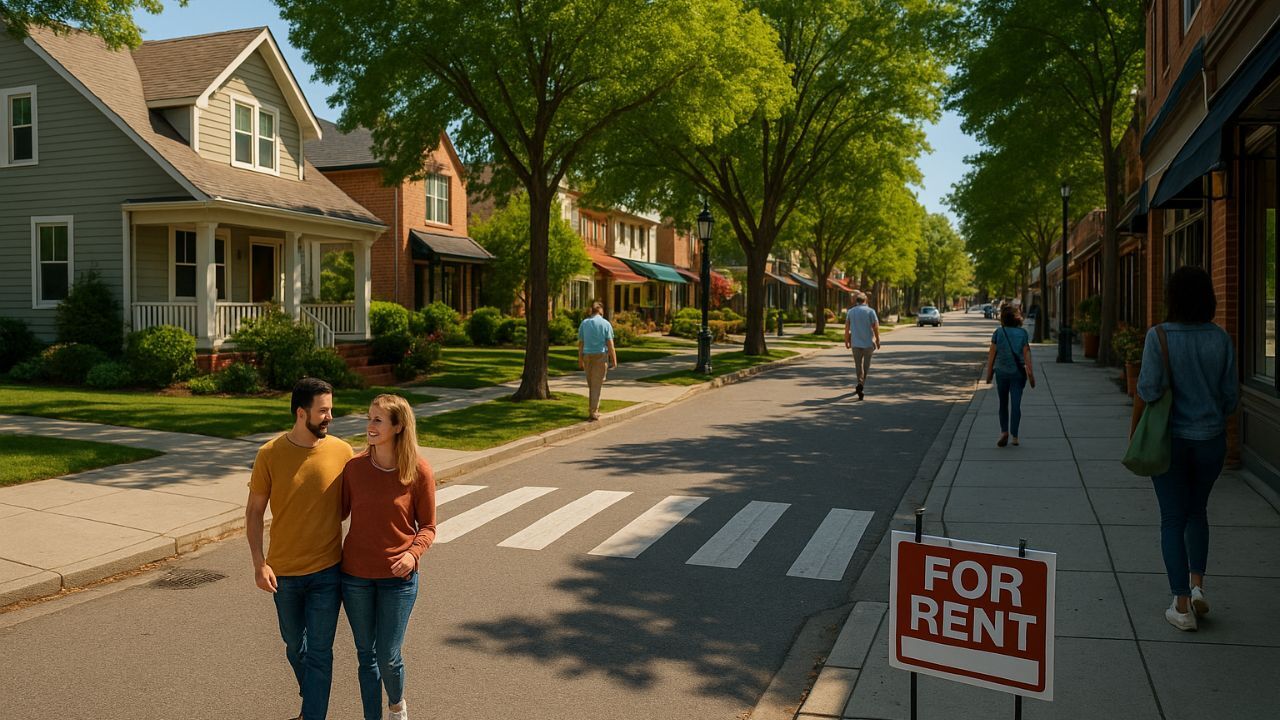 When buying a home, location is often cited as the most important factor. One element of location that has gained attention is walkability. Walkability scores measure how easy it is to access amenities like grocery stores, restaurants, schools, and parks by walking. Understanding walkability can help buyers evaluate lifestyle benefits and potential resale value.
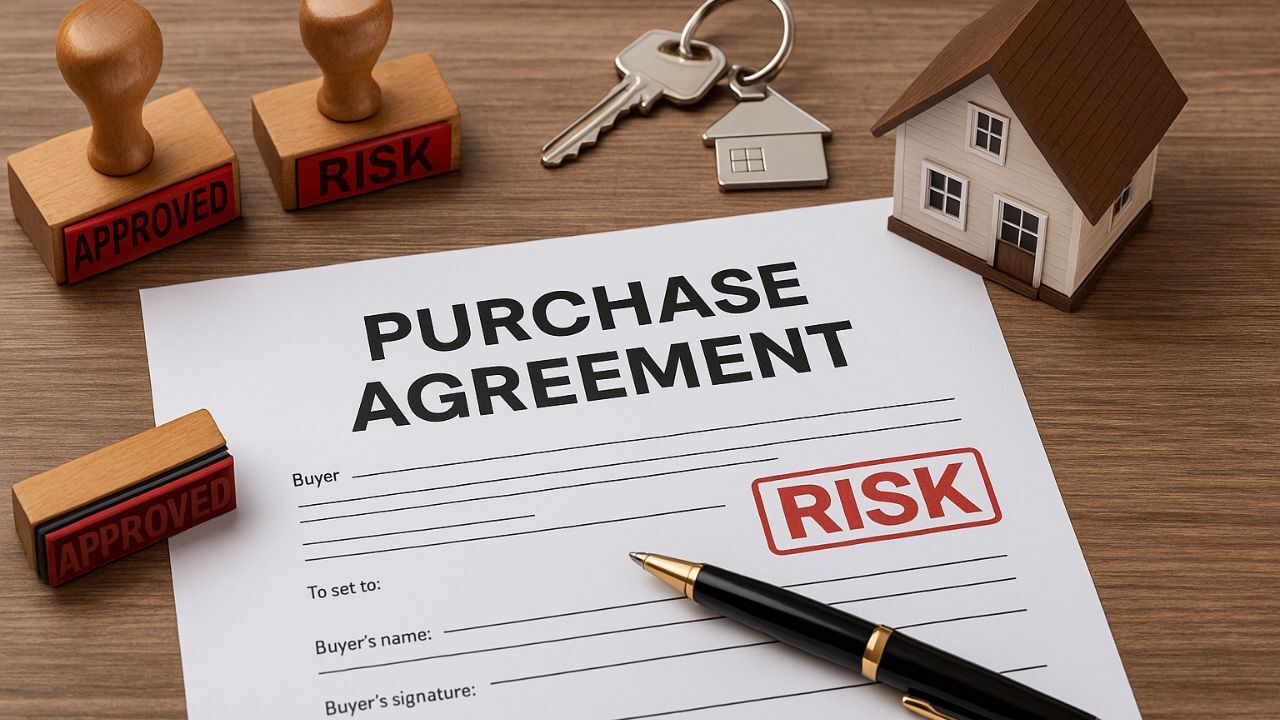 In a competitive real estate market, buyers often hear about waiving contingencies to make their offer more attractive. While this strategy can help secure a home in high-demand areas, it also comes with risks that should be carefully considered before deciding.
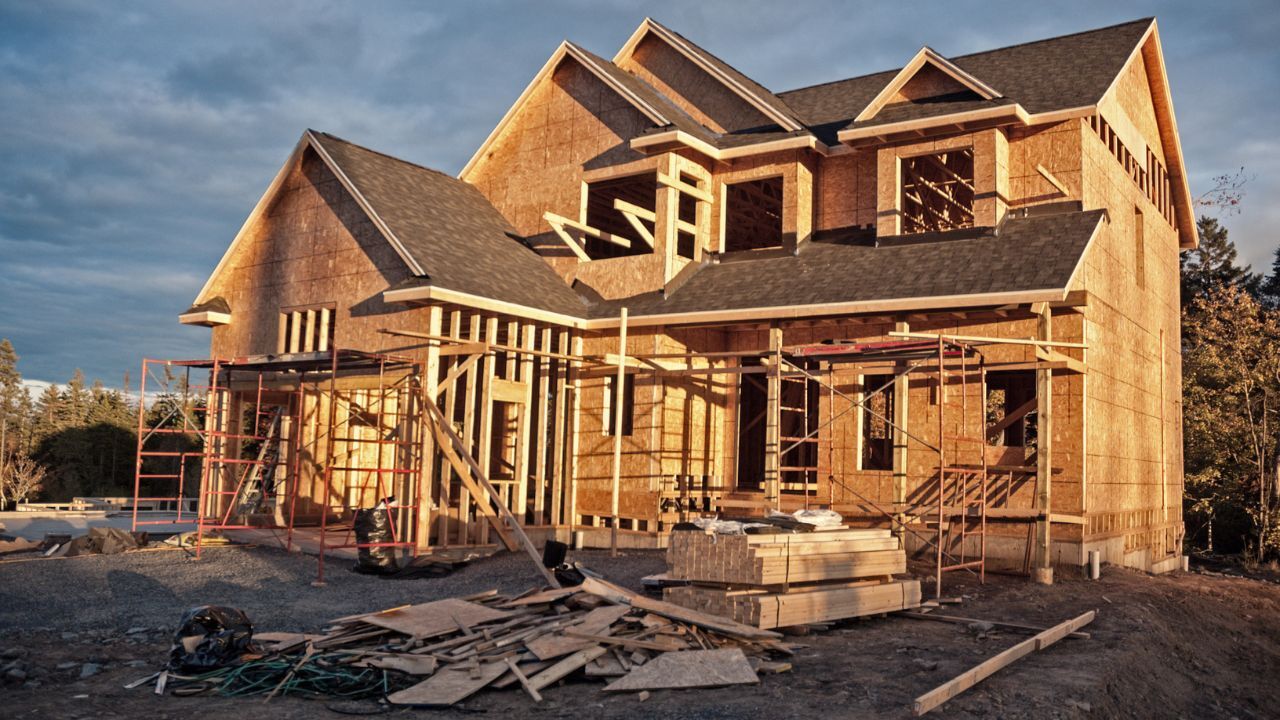 Buying a newly built home can feel exciting and fresh, but there are unique considerations that many buyers overlook. Understanding the nuances of new construction ensures you make informed decisions, avoid surprises, and protect your investment throughout the building and buying process.
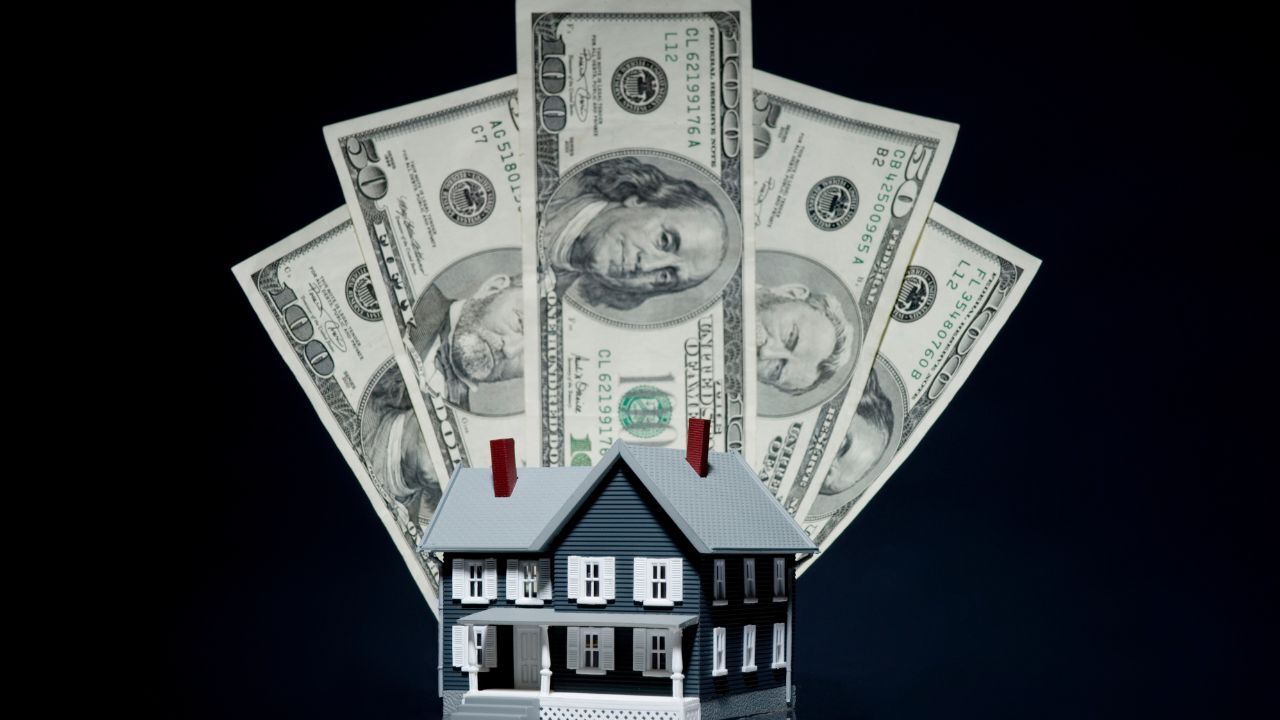 Buying a home is often the largest financial decision in a personís life, but there are strategies that can help buyers save significant amounts of money. By understanding the process, planning carefully, and leveraging expert advice, buyers can make smarter decisions and reduce costs without sacrificing quality or location.
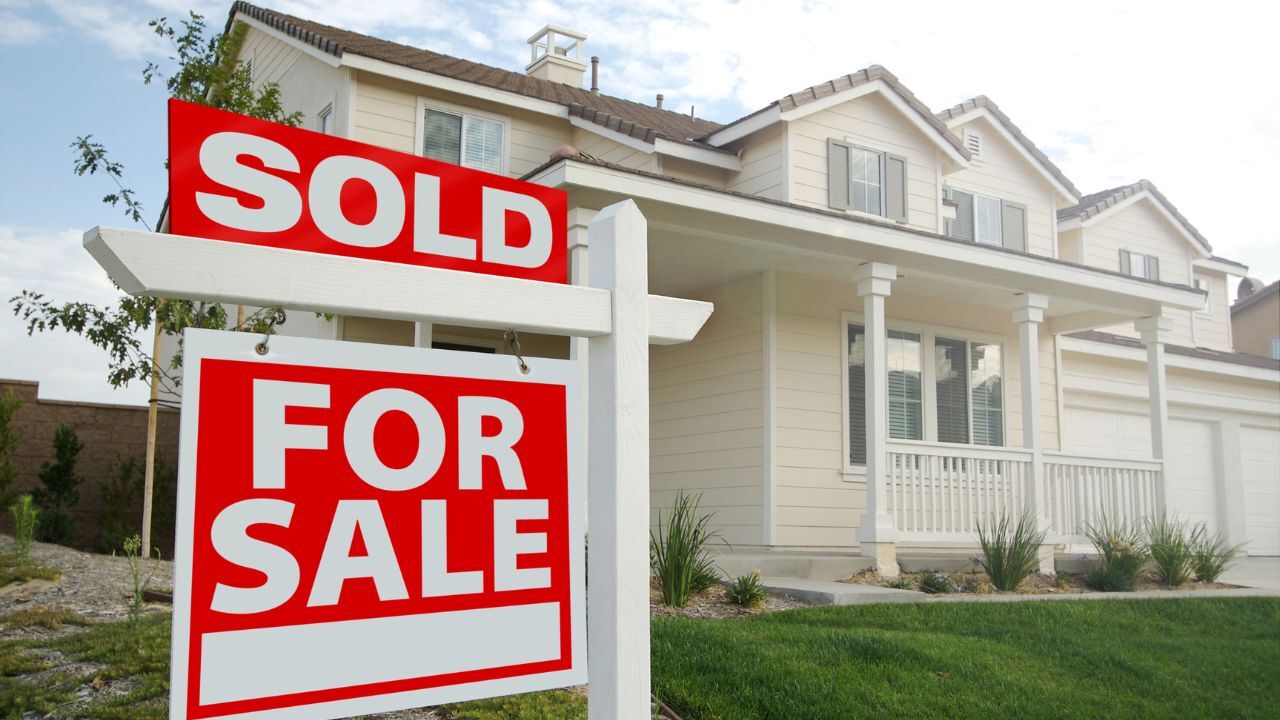 Not all homes spend weeks on the market waiting for buyers. Some properties sell before they are listed on the Multiple Listing Service, also known as pocket or off-market sales. Understanding why this happens can help buyers and sellers navigate the real estate landscape more strategically and take advantage of opportunities that are not publicly advertised.