 When it comes to purchasing Real Estate, the traditional financing options may not always be the perfect fit for every aspiring homeowner. Fortunately, a range of alternative financing options exists, offering innovative solutions that cater to diverse financial circumstances. Here are some creative financing avenues that empower homebuyers to achieve their dream of homeownership: rent-to-own, lease-purchase agreements, and shared equity arrangements.
Rent-to-Own: Bridging the Gap
Rent-to-own agreements provide a unique pathway for individuals who may not currently have the financial means to secure a mortgage but aspire to own a home in the future. In a rent-to-own arrangement, a prospective buyer agrees to rent the property for a specified period with the option to purchase it at the end of the lease term. This approach allows individuals to build equity while renting, potentially improving their financial standing and increasing their chances of qualifying for a mortgage.
Lease-Purchase Agreements: Commitment with Flexibility
Similar to rent-to-own, lease-purchase agreements offer a hybrid solution that combines the benefits of renting and buying. In a lease-purchase agreement, the buyer commits to purchasing the property after a predetermined period, usually a few years. During this time, a portion of the monthly lease payments may be allocated toward the eventual purchase. This arrangement provides aspiring homeowners with the flexibility to test the waters before making a long-term commitment.
Shared Equity Arrangements: Teaming Up for Success
Shared equity arrangements involve partnering with investors, family members, or organizations to share the financial responsibility of homeownership. In this model, multiple parties contribute funds towards the purchase, and in return, they share the equity and potential appreciation of the property. This collaborative approach not only helps distribute the financial burden but also opens doors for those who may not qualify for traditional mortgages on their own.
Benefits of Creative Financing Options:
Increased Accessibility: Creative financing options extend the opportunity for homeownership to a broader audience, including those with limited financial resources.
Flexibility: These alternative arrangements provide flexibility in terms of lease terms, purchase options, and shared responsibilities, catering to the unique needs of diverse homebuyers.
Potential for Equity Growth: Renting-to-own or participating in shared equity arrangements allows individuals to build equity over time, positioning them more favorably for future mortgage approval.
Challenges and Considerations:
Legal and Contractual Nuances: Engaging in alternative financing options requires careful consideration of legal and contractual obligations. Seek professional advice to ensure clarity and protect all parties involved.
Market Conditions: Keep a close eye on market trends, as they can impact the success of these arrangements. Ensure that the terms agreed upon align with the current and future real estate landscape.
Creative financing options represent a key to unlocking the doors of homeownership for a diverse range of individuals. Whether through rent-to-own agreements, lease-purchase arrangements, or shared equity models, these alternatives provide pathways for aspiring homeowners to navigate the complex real estate landscape. As the real estate market continues to evolve, exploring these creative financing options can be a strategic move for those looking to turn the key to their dream home.
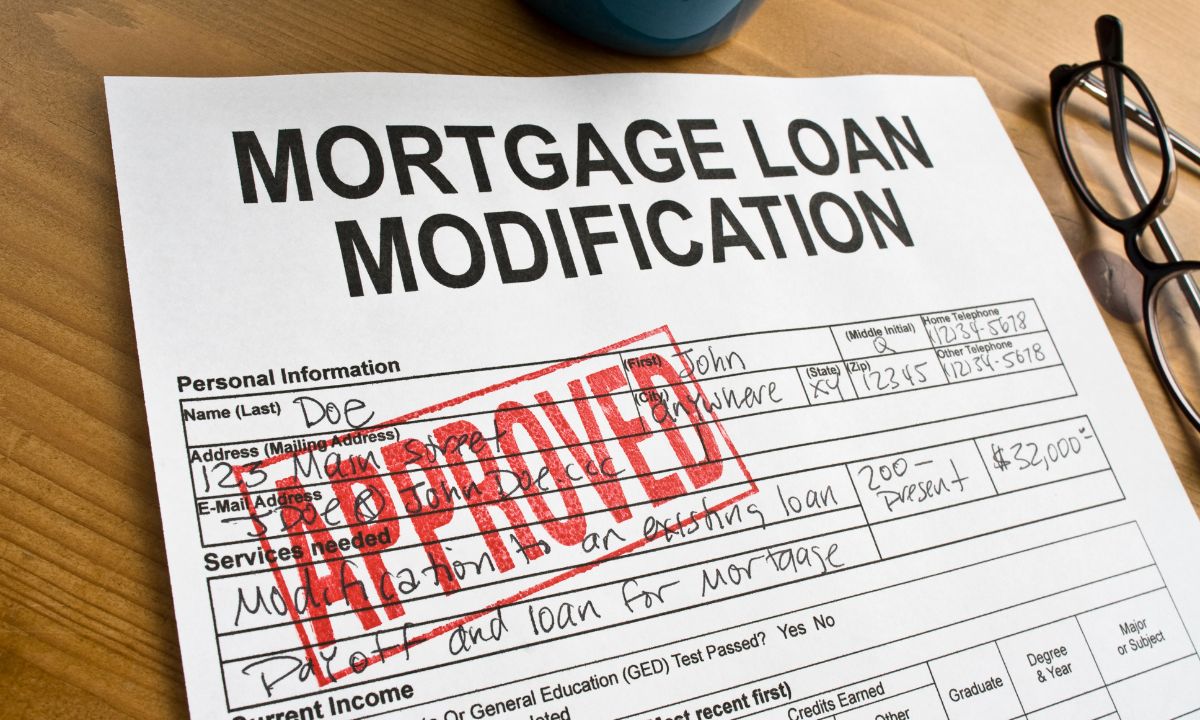 In times of financial hardship, such as job loss, medical emergencies, or economic downturns, homeowners may find it challenging to keep up with their mortgage payments. When facing such difficulties, understanding options like mortgage forbearance and loan modification can be crucial for maintaining stability and avoiding foreclosure. Let’s discuss what homeowners need to know about mortgage forbearance and loan modification, including their differences, implications, and how to navigate these options effectively.
 Home equity loans and Home Equity Lines of Credit (HELOCs) are two avenues through which homeowners can tap into this valuable asset. Understanding the differences between them is crucial for making informed financial decisions. We will review the intricacies of these financial products, exploring how they work and helping you determine which might be the better fit for your needs.
 Are you in the market for a new home? Have you considered the allure of a fixer-upper? While the idea of purchasing a home that needs a bit of TLC might seem daunting at first, numerous benefits come with this type of investment. We will plunge into the exciting world of fixer-uppers and uncover why they might just be the perfect choice for you.
 Homes are more than just a building. They are filled with memories of children taking their first steps, holidays that were celebrated with family members and friends, and Super Bowl parties filled with smiles and cheers.
 Technology is no longer limited to just our smartphones and laptops; it’s rapidly infiltrating every aspect of our lives, including the place we call home. The real estate industry is experiencing a significant transformation with the emergence of Smart Homes and the Internet of Things (IoT). These innovations are not just about convenience; they are revolutionizing the way we live, making our homes safer, more efficient, and ultimately more enjoyable.
 Fix-and-flip projects can be lucrative endeavors for real estate investors, but they often require a significant upfront investment. One key financial tool that savvy investors use to fund these projects is a construction loan. We will examine how you can leverage construction loans to maximize your profits in the fix-and-flip game.
 If you’re actively preparing to list your home for sale, resist the temptation to make major home improvements. Focus on minor projects instead for a better return on your time and money. It’s the smaller projects that tend to have a bigger, long-term payoff.