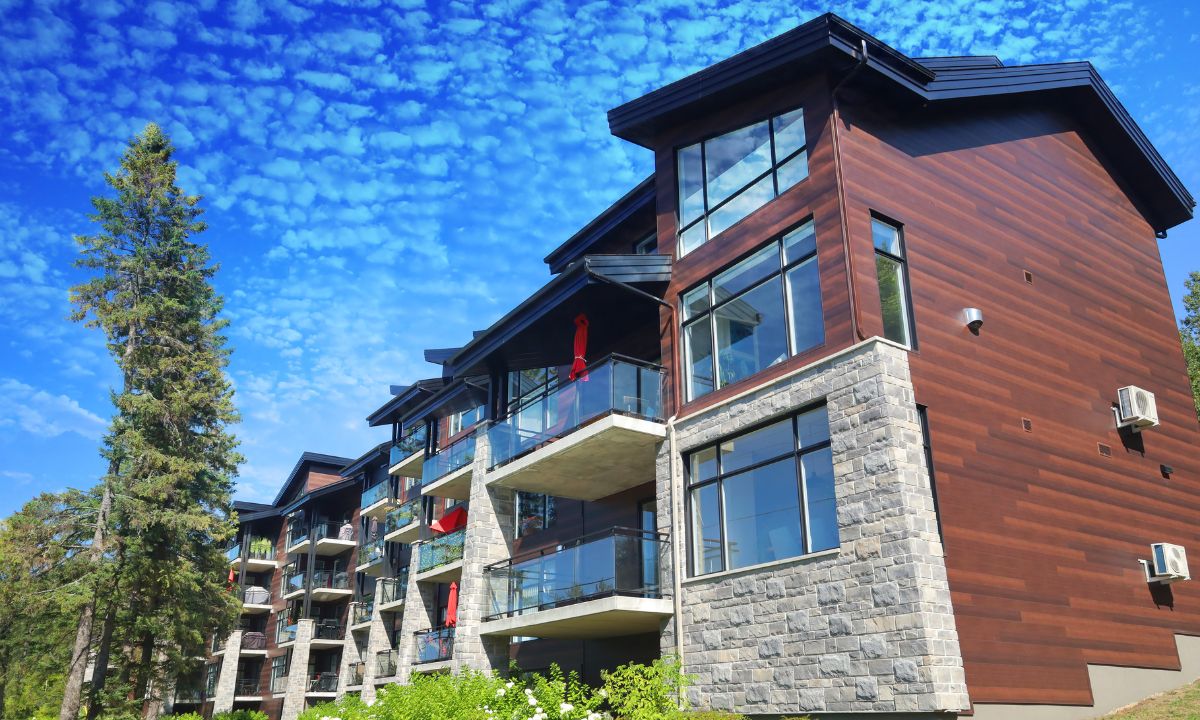
 Multifamily residential buildings are at a greater risk for fire because they contain more kitchens, furnaces, water heaters, and other elements that can pose opportunities for a fire to start. Fire safety in multifamily housing is influenced by the design of the building, its fire protection features, the quality of materials used in the building’s construction, the building’s contents, and overall maintenance.
A balanced design comprises three elements: detection, suppression, and compartmentation.
Detection: Accurate, early warning is the first line of defense. Detectors that respond to light smoke are important. Each dwelling unit should be equipped with detectors in all sleeping rooms and adjacent areas, and on each level of the building, including the basement.
Detectors should be wired into a continuous power supply. Smoke detectors are vulnerable to lack of maintenance or faulty power supply, so they should be maintained and tested regularly.
Suppression: Suppression methods, such as automatic sprinkler systems, control a fire at the point of origin. While not designed to extinguish a fire, sprinklers are effective in controlling a fire until it can be extinguished. Automatic sprinklers are vulnerable to system failures due to inadequate maintenance and inspection or inadequate water supply.
Sprinklers are not intended to control electrical and mechanical equipment fires or fires of external origin, such as those from adjacent buildings, trash fires, and brush fires.
Compartmentation: Compartmentation limits the extent of fire by dividing a building into fire compartments enclosed by firewalls and fire-rated floors and ceilings. Compartments minimize the spread of toxic fumes and smoke. They also provide safe areas of refuge when evacuation is not possible.
Floor and wall elements forming the boundaries of each compartment should have a fire-resistance rating of at least two hours and should be constructed of noncombustible materials that are capable of preserving the structural integrity of the building throughout the duration of the fire.



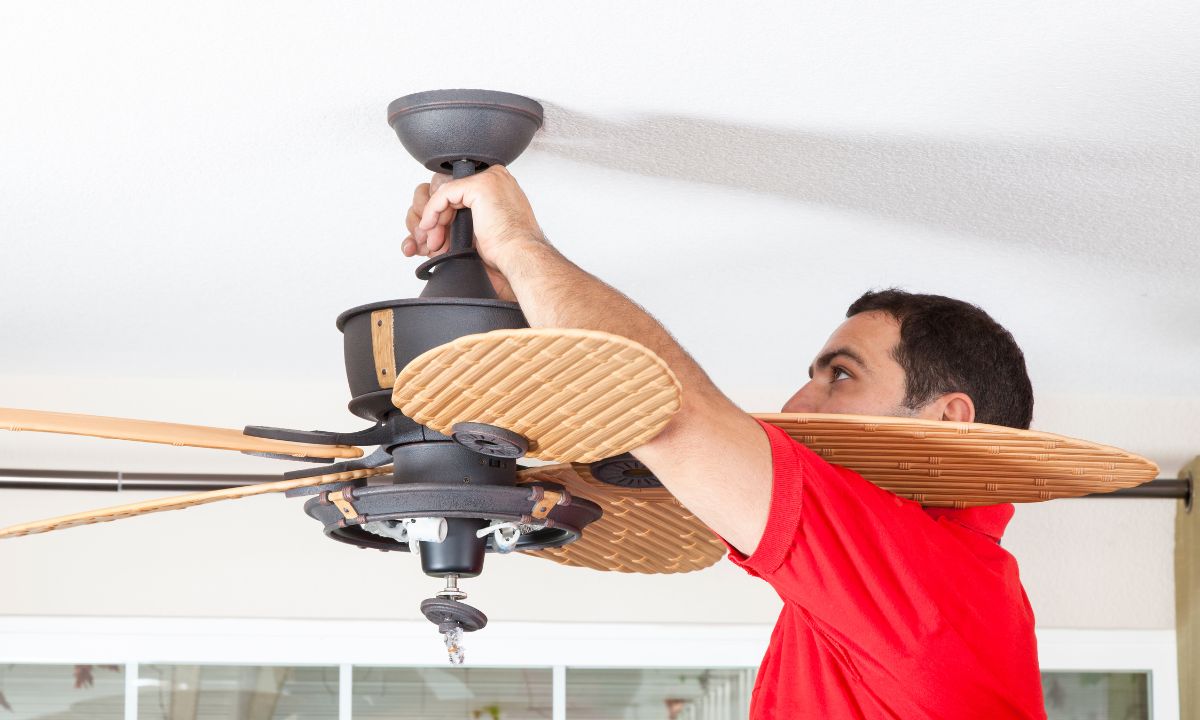 As temperatures continue to climb, it’s essential to find ways to keep your home cool while minimizing your utility bills. Here are several cost-effective strategies to achieve this without relying on your air conditioner.
 Disclosures are a crucial aspect of the home-selling process. Though the disclosure form may appear lengthy and complex, it is essential to complete it accurately. Failure to disclose certain issues or providing false information can lead to legal repercussions, even after the sale is finalized.
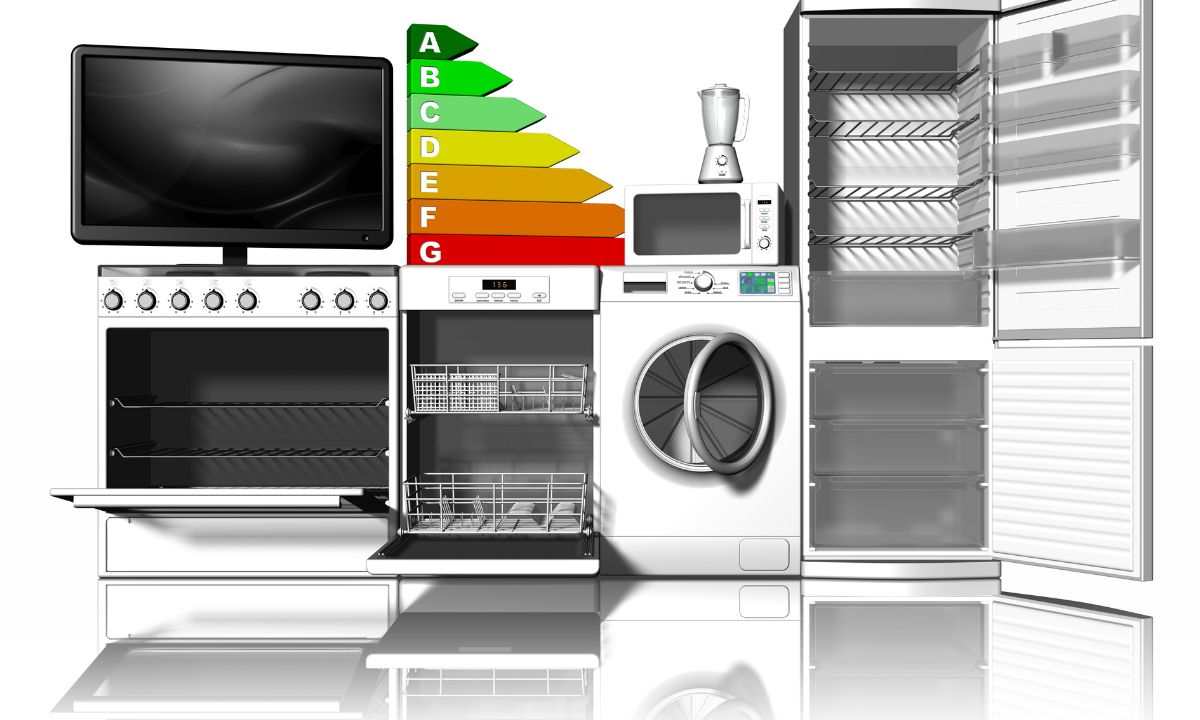 When shopping for a new home, it’s important to consider not just the aesthetics and location, but also the environmental impact of your future residence. Green features in homes are becoming increasingly popular, not only for their benefit to the environment but also for the cost savings they can provide over time. Here are some key green features to look for when buying a home:
 Navigating the world of real estate investment can be complex, but one of the most valuable tools for savvy investors is the 1031 exchange. Named after Section 1031 of the Internal Revenue Code, this strategy allows investors to defer capital gains taxes on the sale of an investment property by reinvesting the proceeds into a similar property. Here’s a breakdown of what you need to know about the 1031 exchange.
 When it comes to protecting one of your most significant investments—your home—having the right insurance coverage is essential. Home insurance, also known as homeowners’ insurance, offers financial protection against a wide range of potential risks, from natural disasters to theft. However, not all home insurance policies are created equal. Understanding the different types of home insurance coverage can help you make an informed decision that best suits your needs. We will touch on the various types of home insurance coverage available and what each one entails.