 Children often interpret home as a foundation of safety and consistency. While renting can provide flexibility, homeownership frequently introduces a deeper sense of permanence. Remaining in one environment over time allows routines, friendships, and traditions to take root in meaningful ways.
Consistency Builds Emotional Security
Living in the same home year after year fosters predictability. Familiar surroundings reduce anxiety and create a sense of belonging. Knowing where birthdays will be celebrated and where holidays will unfold strengthens emotional grounding.
Neighborhood Ties Strengthen Development
Remaining in one community allows friendships to deepen. Children who attend the same schools and participate in local activities often develop stronger social confidence. Stability in surroundings supports identity formation.
Personal Space Encourages Growth
Having consistent bedrooms, study areas, and outdoor spaces allows children to feel ownership within the home. Even modest properties can provide this stability when thoughtfully organized.
Ownership Models Responsibility
Children observe maintenance tasks, seasonal preparation, and long-term planning. Participating in simple responsibilities teaches stewardship and pride.
Community Engagement Becomes Habitual
Long-term residency encourages involvement in neighborhood events and civic activities. Stability often leads to stronger community bonds.
Homeownership can provide a stable backdrop for growth, development, and connection. If you are considering how a move may influence your family’s stability and future, connect with us to explore neighborhoods that support long-term belonging.
 Downsizing is often framed as a reduction, but for many homeowners it represents intentional change rather than loss. As children move out, careers shift, or priorities evolve, maintaining excess space can feel more burdensome than beneficial.
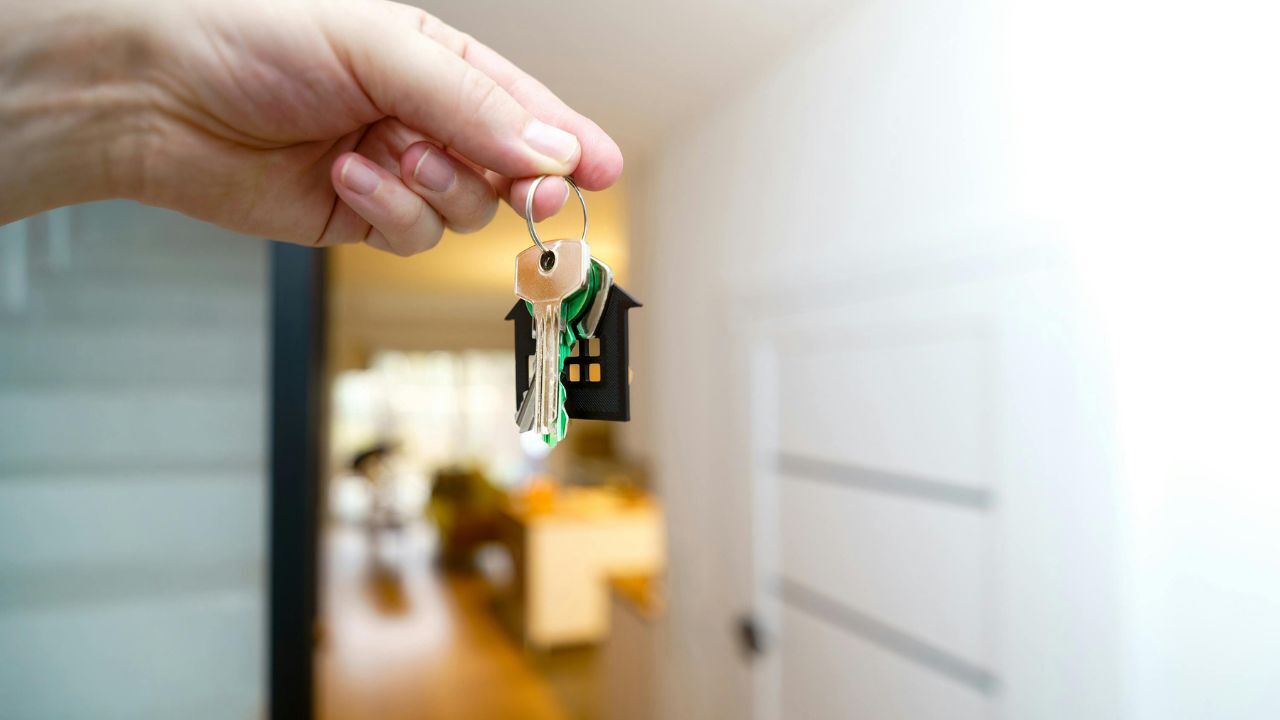 Major life transitions often coincide with real estate decisions. Marriage, divorce, expanding families, career changes, or retirement can prompt the desire for new space. Purchasing during periods of change requires clarity, patience, and strategic planning to ensure the property supports your next chapter rather than adding stress.
 Homeownership often marks the beginning of a new chapter for families. Beyond financial stability, owning a home creates a consistent setting for memories, routines, and milestones. The impact extends far beyond property value. It influences how traditions form, how children experience holidays, and how family identity develops over time.
 Relocating to a new city can feel both exciting and disorienting. Whether driven by career opportunity, family needs, or lifestyle change, moving markets involves more than comparing property listings.
 Buying a home is often framed as a financial milestone, but its deeper impact is felt in daily rhythm. A move changes commutes, morning patterns, school drop offs, weekend habits, and even how families gather in the evenings. The decision to purchase is not simply about square footage. It is about reshaping how life unfolds each day.
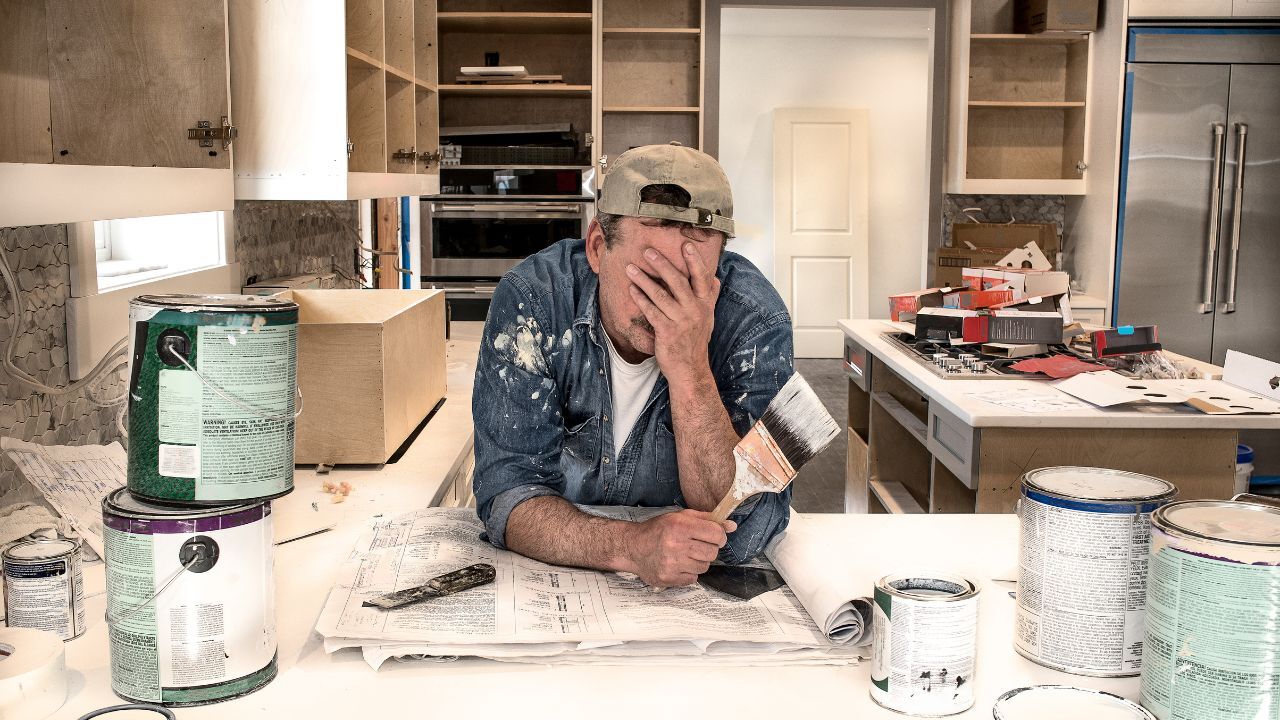 Buying a fixer upper can seem like an opportunity to build equity quickly. Lower purchase prices often attract buyers who believe renovations will unlock value. While that can be true, many underestimate the true cost of repairs, time, and disruption. A fixer upper requires careful evaluation before committing.
 Home inspection reports often intimidate buyers. Detailed lists of findings can appear overwhelming, even when most items are minor. The purpose of an inspection is not to identify a perfect property. It is to highlight maintenance, safety, and system conditions so buyers can make informed decisions. Understanding how to interpret these reports prevents unnecessary anxiety.