 Are you ready to sell your home? Whether you’re just starting to make your plans or you’re ready to list now, you likely want to know how you can get top dollar. It’s going to take more than just throwing up a high price on the listing and waiting for a buyer to show up with a check. With that in mind, here are three secrets to ensuring that when you sell your house or condo, you get the best possible price.
Great Staging Is Critical To Your Success
The first secret is that you’ll really need to consider how you want to stage the outside and inside of your home. Staging your home is your best way to make a positive impression on potential buyers. Think about the difference in perception it makes arriving to view a beautiful, spotless and well-lit home compared with one that looks dirty or messy. Invest the time and money in staging your home and it will increase the value in the buyer’s eyes.
Let A Professional Take Care Of The Heavy Lifting
It probably comes as no surprise that buyers who engage the assistance of a professional real estate agent end up selling for more than those who try to go it alone. A great selling agent will have their eyes and ears tuned to the local real estate market and will have insight into current selling trends. They can also research other recent home sales in your local community and can share which price is likely to attract the most offers. When it comes time to field offers, your agent will be able to help you understand how much you can counter-offer without scaring off the buyer.
Be Willing To Negotiate With The Right Buyer
Finally, to ensure you get the most you can out of your sale you’ll need to remain open to negotiating with potential buyers. You may find that a great buyer needs some extra time to close their financing. Or that they’re willing to bump up their asking price in exchange for you making some easy renovations before turning the keys over to them. The more you’re willing to be flexible with your pricing and terms, the better your chances of securing a buyer that will give you a fair price for your home.
If you’re thinking about selling your home, contact your professional real estate agent. We’re happy to share our insight and experience to help you with the selling process.
 When it comes to staging your home to sell, it can sometimes seem like there are so many things to do that it’s hard to know what will make a real difference. Since staging is such an important aspect of successfully selling your home, here are the three golden rules for how you can make it work for you!
 You may not see the connection right away, but buying a home and planning a wedding are two experiences that require certain skills and challenge you in similar ways. Check out the three key similarities below!
 Last week’s economic news included readings on home price growth, new and pending home sales, and inflation. Weekly reports on mortgage rates and jobless claims were also released.
 Many people dream of buying their ideal retirement home after their career has come to a conclusion – with all that extra free time it seems like it’d be the most logical time to shop around.
 If you have recently purchased a home, you are probably excited to move into your new house; however, the moving process can be stressful. There are a few important tips you need to keep in mind if you are moving soon. Make sure to plan ahead, as there are several ways to save time and money.
 If you recently moved into a new neighborhood, you might be looking for a way to meet your neighbors. Ideally, you will become friends with your neighbors. They can take care of your pets when you are out of town and water your plants when you are gone. On the other hand, how can you meet your neighbors without the process being awkward? There are a few great ways to do so.
 Last week’s economic news included readings from the National Association of Home Builders on home prices, Commerce Department readings on building permits issued, and housing starts. The National Association of Realtors® reported on sales of previously-owned homes; weekly reports on mortgage rates and jobless claims were also released.
 If you are applying for a home loan of any kind, there is a high likelihood that your lender will require a home appraisal. An appraisal is done to figure out how much your home is actually worth because the lender does not want to lend you more money than you could theoretically sell the home for in the future. There are some situations where the lender might be fine with a drive/by appraisal. What does this mean?
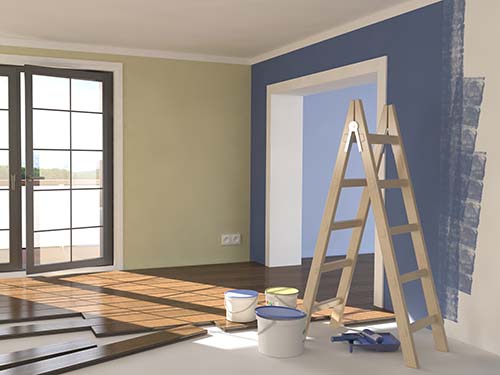 It is not exactly a secret that inflation is a significant issue. With inflation continuing to increase the cost of living all over the world, there are many people who are looking for ways to save money. Home improvement and renovation projects have been popular during the past few years, but many homeowners are starting to put them on hold because of how expensive everything has gotten. What are some of the ways you can save money on your home repair and renovation costs?