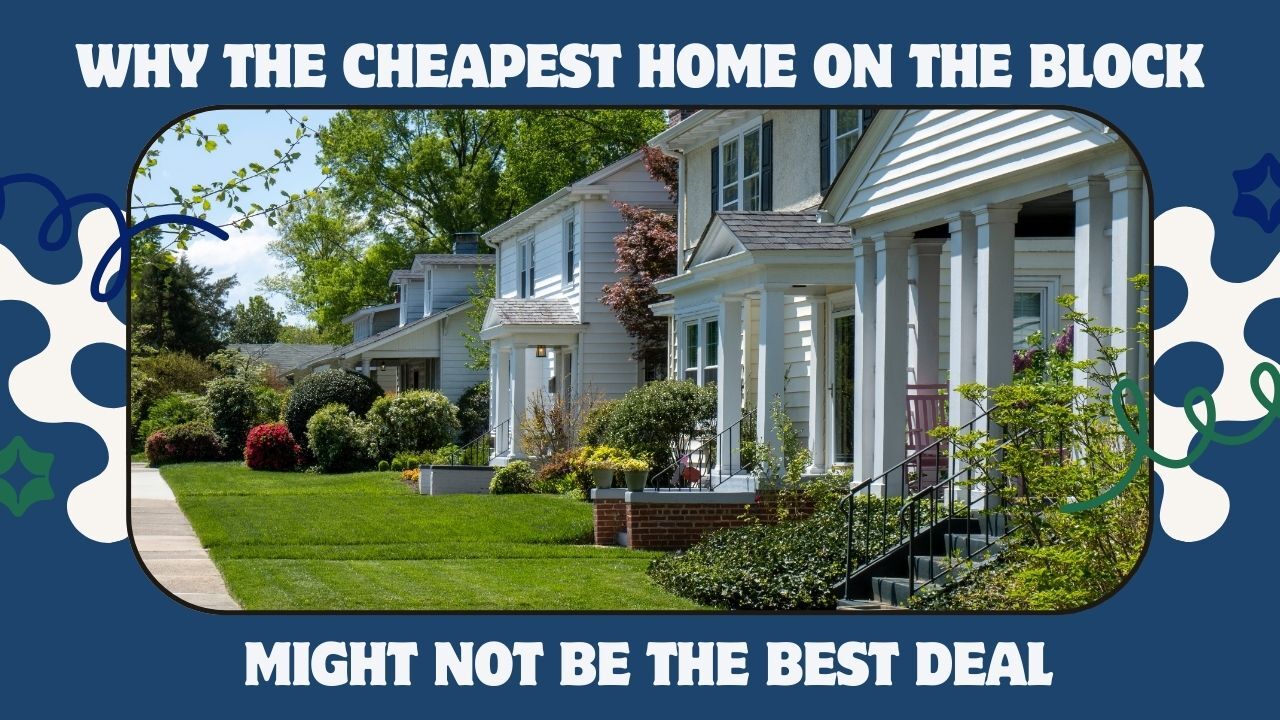
 Finding a home at a bargain price can be exciting, especially in a competitive market. However, the lowest-priced home in a neighborhood is not always the best deal in the long run. While it may seem like a smart financial move upfront, there are several factors that could make it a less-than-ideal investment. Here is why buying the cheapest home on the block might not always work in your favor.
Hidden Repair and Renovation Costs
One of the main reasons a home is priced significantly lower than others in the area is due to its condition. Older systems, outdated interiors, and structural issues can quickly turn what seems like a deal into a costly renovation project. If a home requires major repairs, such as a new roof, updated electrical wiring, or plumbing work, those expenses can add up quickly, negating any initial savings on the purchase price.
Before purchasing, it is essential to get a professional home inspection and obtain estimates for necessary repairs. Sometimes, the cost of fixing up a discounted home can exceed what it would have cost to buy a more updated home at a slightly higher price.
Resale Value Concerns
The future resale value of a home is an important consideration when making a purchase. If a home is priced lower than others in the neighborhood, there may be a reason beyond just its current condition. Factors such as a poor layout, undesirable location within the neighborhood, or limited potential for upgrades could make it harder to sell later.
Additionally, if the home does not appreciate in value at the same rate as surrounding properties, it may not build as much equity over time. Buyers should consider whether the home will be appealing to future buyers and if improvements will yield a good return on investment.
Neighborhood Compatibility and Market Trends
Buying the least expensive home on the block can sometimes mean settling for a property that does not fit well within the overall character of the neighborhood. If the surrounding homes are much larger, newer, or better maintained, it could affect the home s desirability. In some cases, the cheapest home in a high-end neighborhood may require expensive upgrades just to keep up with the surrounding properties.
It is also important to consider the long-term trends of the neighborhood. If the area is declining or if property values are stagnant, the bargain home may not gain value over time. Researching local market trends and talking to real estate professionals can help buyers make a more informed decision.
Financing Challenges
Lenders often have stricter requirements for homes that need significant repairs or that fall below certain price points. Some low-cost homes may not qualify for traditional financing if they do not meet minimum property standards. This could mean needing a renovation loan, which often comes with different terms and additional requirements.
Making a Smart Buying Decision
While the cheapest home on the block can sometimes be a great opportunity, buyers should carefully evaluate the costs, resale potential, and overall fit with their long-term goals. Working with a knowledgeable real estate agent and thoroughly assessing the property can help ensure that what looks like a deal today does not become a financial burden in the future.

 When buying a home, negotiating the purchase price is a key part of the process. While factors such as market conditions, comparable sales, and property condition play a role, a home’s history can also impact its value. If the property has a notable past such as prior fire damage, flooding, structural issues, or even stigmatized events it can provide leverage for buyers to negotiate a better deal. Here’s how to approach negotiations when a home’s history is a concern.
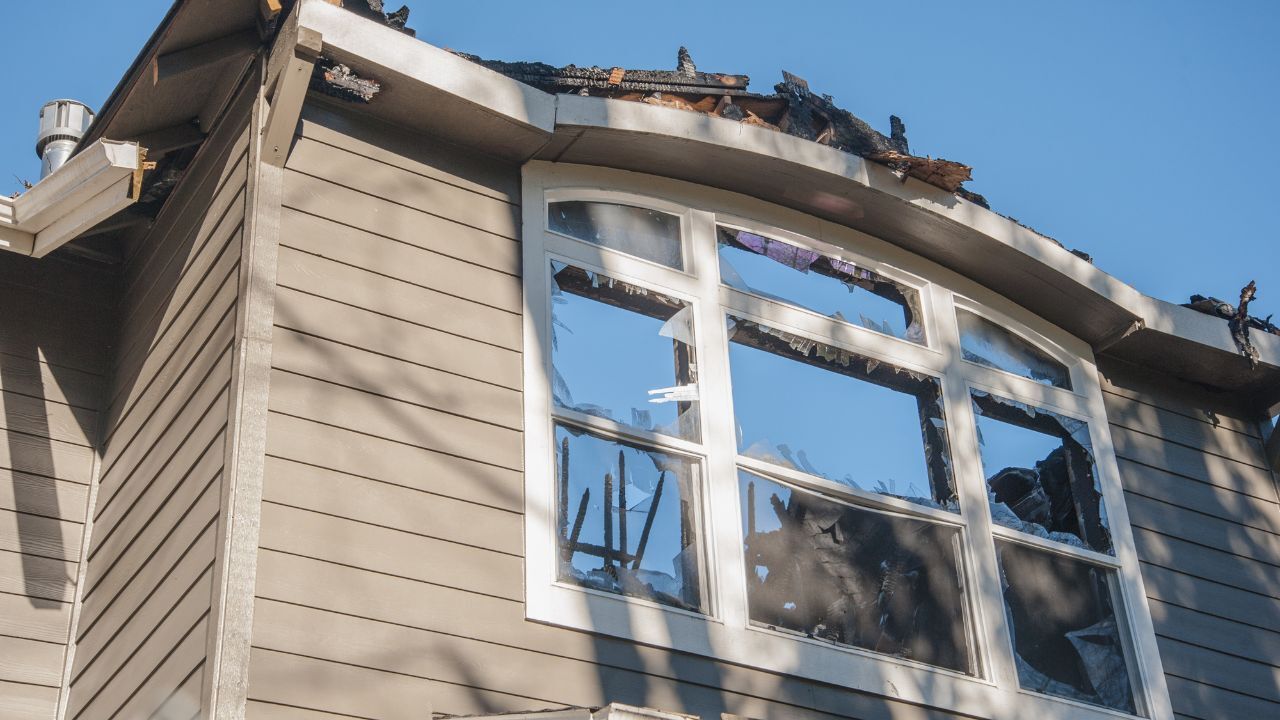 Purchasing a home is a major investment, and while a property with a history of fire damage may come at a lower price, it also carries potential risks. Before moving forward with such a purchase, it is essential to understand the long-term implications and necessary precautions.
 A vacation is a time to relax and unwind, but it’s essential to ensure that your home remains safe while you’re away. Nobody wants to return from a fantastic trip to find their home has been broken into. With a few precautionary measures, you can significantly reduce the risk of your home becoming an easy target for theft.
 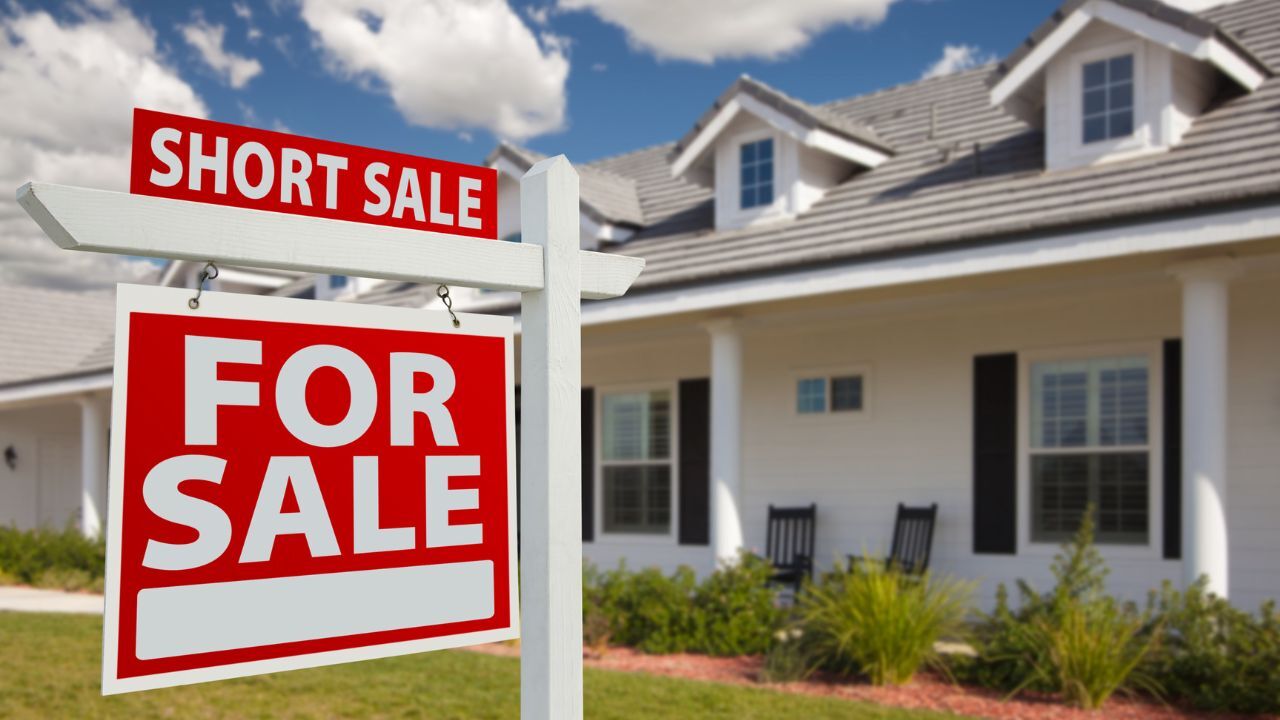 A short sale is a real estate transaction in which a homeowner sells their property for less than the outstanding mortgage balance. While this option can provide relief to homeowners facing financial hardships, it also comes with consequences that may affect their ability to buy another house in the future. We will explore the impact of a short sale on your credit, eligibility for a new mortgage, and the steps you can take to mitigate these effects.
 When buying or selling a home, factors like location, size, and condition are obvious considerations—but have you thought about the direction your home faces? The orientation of a house can impact everything from natural light and energy efficiency to curb appeal and, ultimately, resale value. Here’s why the direction your home faces matters in real estate.
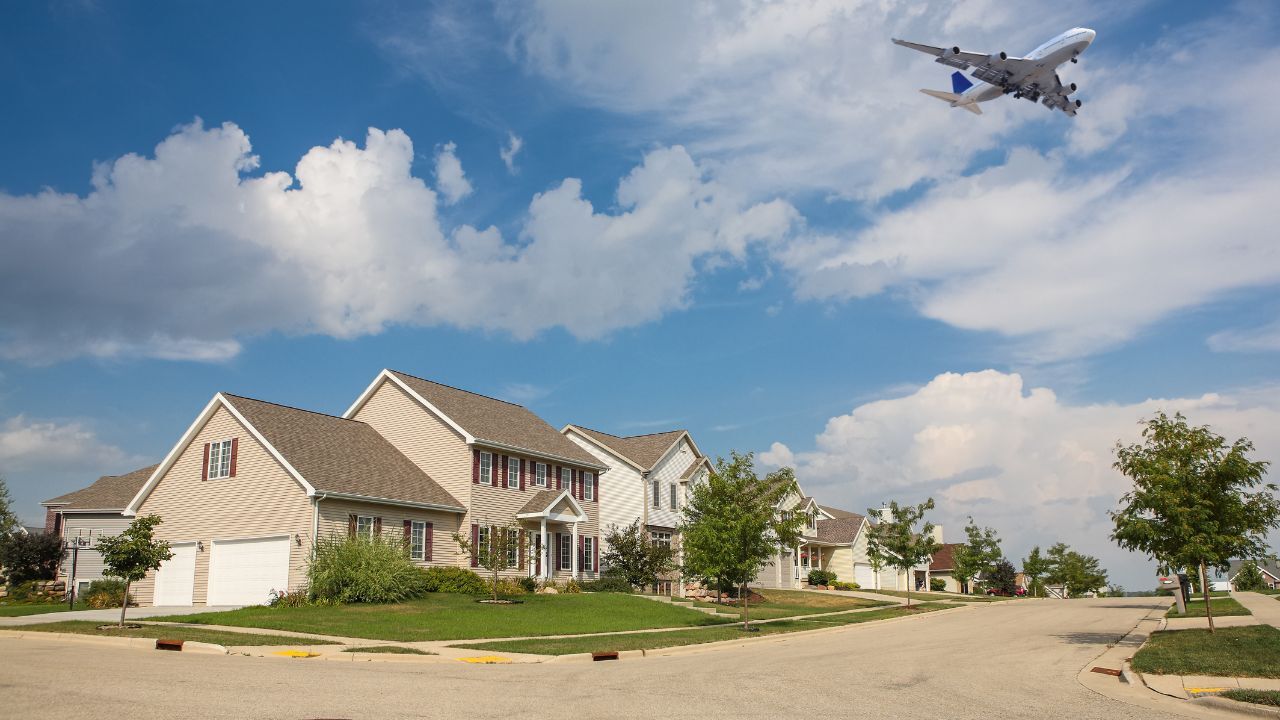 When searching for a home, location is everything. Some buyers may be drawn to properties near an airport for the convenience, while others worry about noise and air quality. If you’re considering buying a home near an airport, here’s a breakdown of the pros and cons to help you make an informed decision.
 When selling a home, every detail matters—including the colors you choose for walls, decor, and even the front door. Color psychology plays a significant role in how potential buyers perceive a space, influencing their emotions and decision-making. The right color choices can make a home feel warm, inviting, and move-in ready, while the wrong ones can deter buyers. Here’s how color psychology affects home sales and what shades work best to attract buyers.