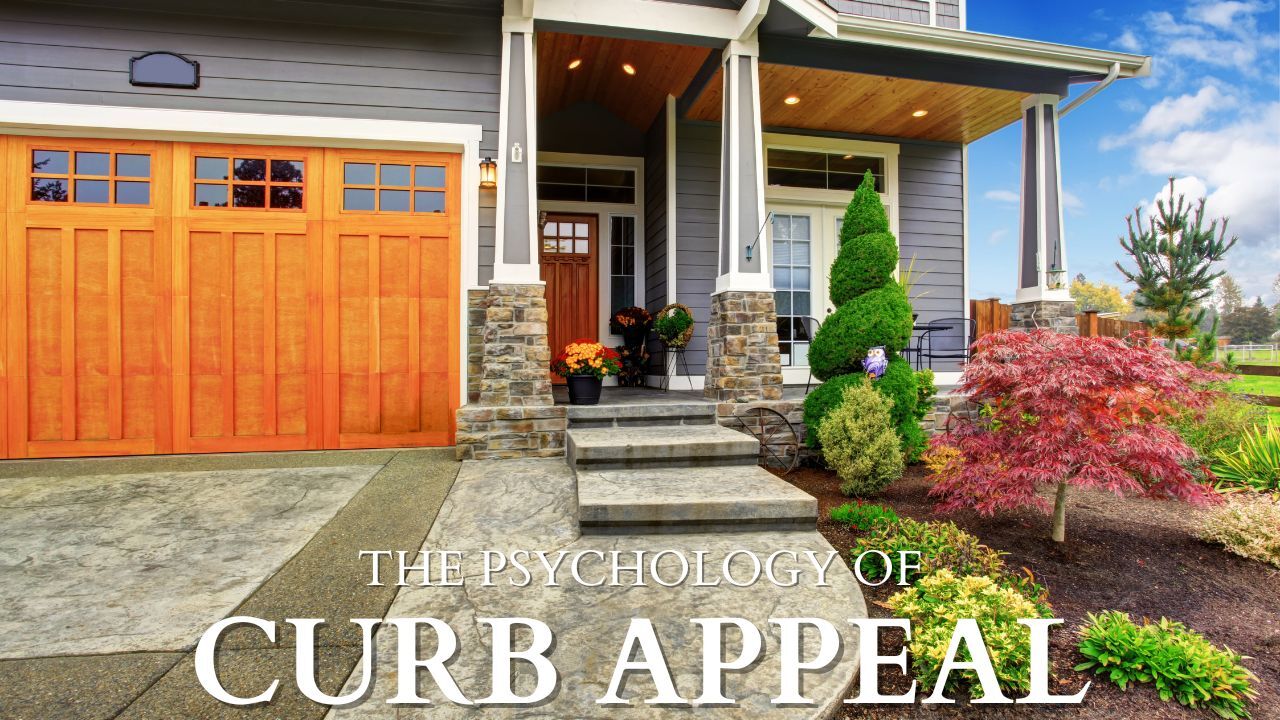
 Curb appeal is often discussed in terms of landscaping, fresh paint, and updated fixtures. While those elements matter, the deeper principle at work is perception management. Exterior presentation shapes emotional response before a buyer ever crosses the threshold. By the time the front door opens, an opinion has already begun forming.
First Impressions Happen in Seconds
Behavioral research consistently shows that people form judgments quickly. In real estate, those first seconds matter. An overgrown lawn, peeling trim, cluttered porch, or cracked walkway can subconsciously signal deferred maintenance. Even if the interior has been renovated, early hesitation may linger. Buyers do not always separate emotional reaction from objective evaluation. The exterior sets the tone for everything that follows.
Visual Order Creates Psychological Comfort
Order communicates care. Clean lines, trimmed landscaping, neutral color palettes, and well maintained entryways suggest stewardship. Buyers often associate exterior organization with interior reliability. When a property looks maintained from the street, it reduces perceived risk. That reduction in uncertainty increases comfort, and comfort increases willingness to engage more deeply with the home.
Lighting as a Subtle Trust Signal
Exterior lighting plays a larger role than many sellers realize. Well positioned, functioning lighting near entry points communicates safety and attention to detail. It signals that the property is thoughtfully maintained. Dim, flickering, or non functioning fixtures can quietly introduce doubt. Buyers may not consciously articulate the concern, but perception shifts nonetheless.
The Framing Effect for Fixer Uppers
For properties that need interior updates, exterior presentation becomes even more important. If buyers see evidence of effort outside, they are more likely to imagine potential inside. A clean, orderly exterior reframes cosmetic interior work as manageable improvement rather than overwhelming renovation. Perception influences possibility.
Signaling Stewardship, Not Luxury
Curb appeal is not about extravagance. It is about signaling responsibility and care. Simple improvements such as pressure washing, repainting the front door, refreshing mulch, and decluttering visible areas can meaningfully shift buyer psychology. When buyers feel confident before stepping inside, resistance decreases and engagement increases.
The exterior is the first chapter of the homeís story. When that chapter communicates care, the rest of the show unfolds with greater trust and openness.

 Many buyers delay decisions while waiting for a home that checks every box. While patience is valuable, perfection often creates paralysis. Understanding the difference between standards and unrealistic expectations helps buyers move forward with confidence.
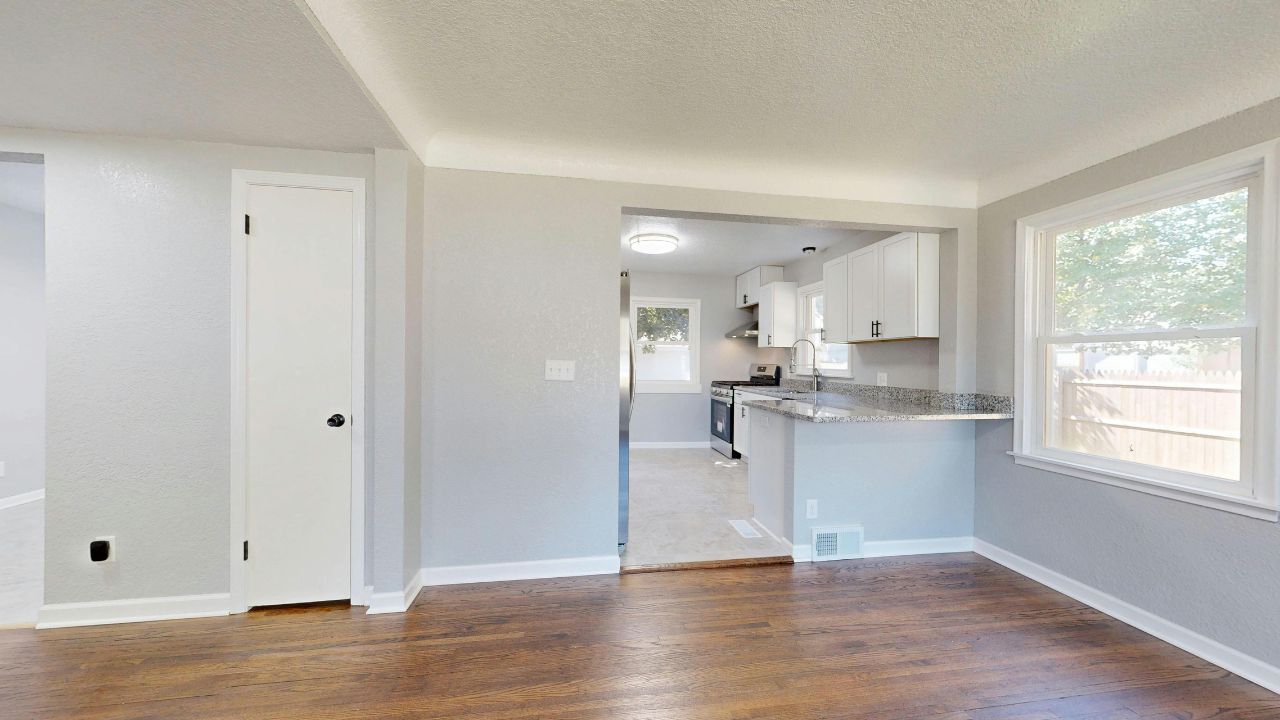 Many buyers start their search with a specific number in mind. Square footage. While size matters, it is rarely the deciding factor in long-term satisfaction. How space functions often matters far more than how much of it exists.
 Most buyers expect an instant emotional reaction when they walk into the right home. The idea of love at first sight is common, but in reality, many of the best homes do not create fireworks immediately. They create possibility, and that is often quieter.
 With rising utility costs and growing awareness around sustainability, many homeowners are looking for practical ways to improve energy efficiency. One of the most effective first steps is scheduling a home energy audit. A home energy audit is a professional evaluation of how your home uses energy and where improvements can be made to reduce waste, lower costs, and enhance comfort.
 When preparing to sell a home, homeowners have several paths to consider. One option that is becoming increasingly common is selling a property as-is. This means the home is listed and sold in its current condition, without the seller completing repairs or renovations before closing. While this approach can offer convenience, it is important to understand both the benefits and potential trade-offs before making a decision.
 In the ever-evolving landscape of real estate, an increasing number of investors and homebuyers are recognizing the importance of sustainability and eco-friendliness. Green real estate, which encompasses properties designed with a focus on environmental efficiency and resource conservation, is gaining prominence as a smart and responsible investment. This blog explores the key aspects of green real estate and why it is becoming an attractive option for consumers.
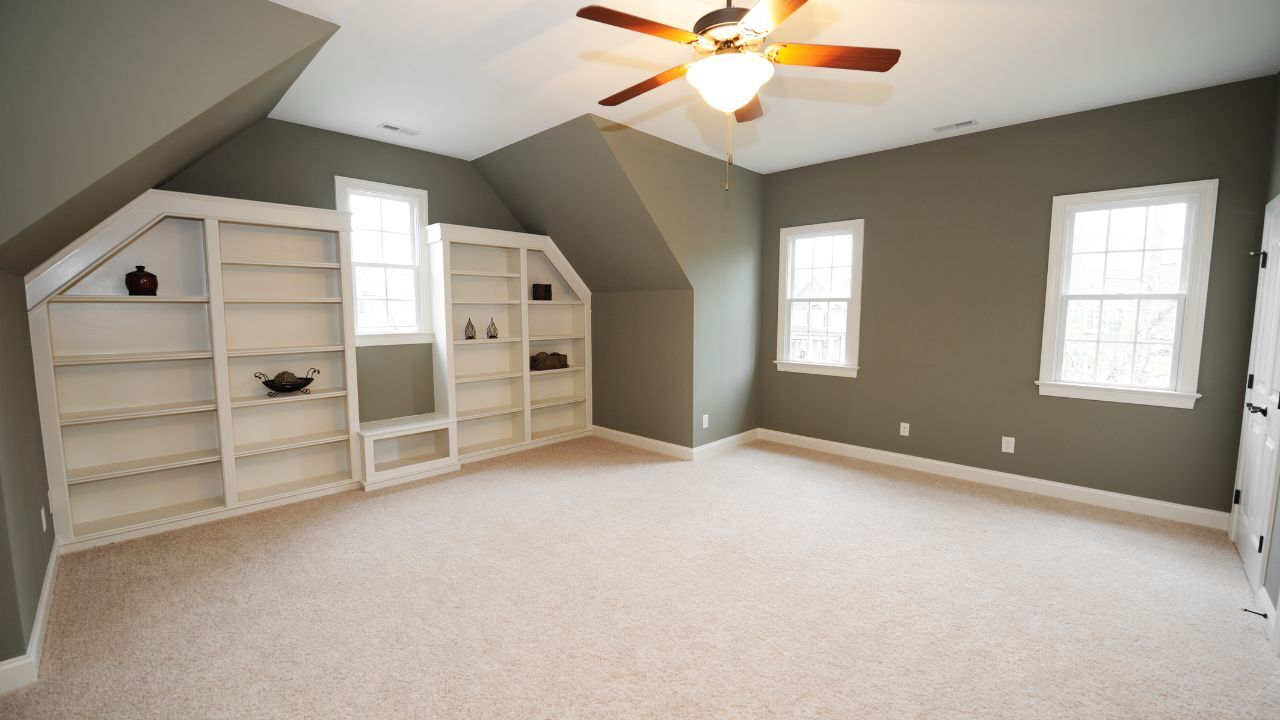 When you are searching for a home, it is easy to get excited about dramatic features like built-in home theaters. They look impressive, they photograph well, and they feel luxurious during a showing. But as real estate professionals, we see something different in day-to-day living.