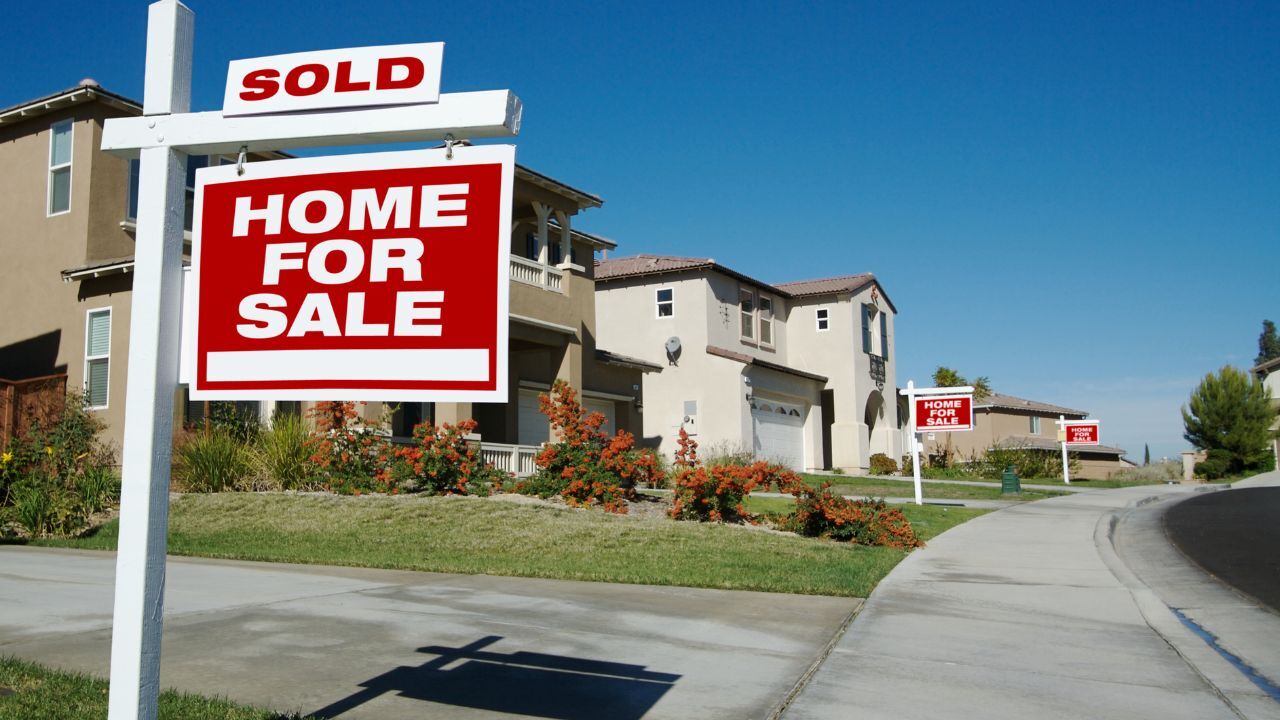
 Selling your home is a major milestone, and preparation plays a key role in achieving a strong result. Buyers form opinions quickly, and thoughtful updates can influence both interest and offers. These steps help position your home to appeal to today’s buyers while maximizing value.
Partner With the Right Professionals
Working with an experienced real estate professional gives you a clear advantage. A knowledgeable agent can evaluate comparable homes, review recent sales, and help determine a competitive listing price. They also guide you on presentation, timing, and buyer expectations. It is also helpful to connect with a lending professional early to understand how your sale impacts your next purchase and financing options.
Study Current Market Conditions
Markets shift over time, even in familiar neighborhoods. Reviewing recent listings and sold properties provides insight into pricing trends, buyer demand, and average days on market. This information helps you prepare realistically and make confident decisions as you move forward.
Schedule a Pre-Listing Inspection
A pre-listing inspection can uncover potential concerns before buyers do. Addressing repairs in advance reduces the risk of delays or renegotiations later. It also shows buyers that the home has been well-maintained, which can increase confidence during the offer process.
Declutter and Depersonalize the Space
Buyers want to picture their own lives in the home. Removing personal photos, collections, and excess furniture helps create a clean, neutral environment. Clearing storage areas makes closets and cabinets appear more spacious. Short-term storage can be useful during this stage.
Deep Clean From Top to Bottom
A thorough cleaning makes a noticeable difference. Focus on baseboards, windows, flooring, fixtures, and high-traffic areas. Kitchens and bathrooms should feel spotless and fresh. Professional cleaning services can help ensure your home shows at its best.
Refresh With Neutral Paint
Fresh paint is one of the most cost-effective updates you can make. Light, neutral colors brighten rooms and appeal to a wider audience. A refreshed palette helps the home feel clean, move-in ready, and well cared for.
Boost Curb Appeal
First impressions begin outside. Trim landscaping, clean walkways, refresh exterior paint where needed, and create a welcoming entry. Small updates to lighting or the front door can significantly enhance how buyers perceive the home before stepping inside.
Preparing your home thoughtfully can lead to stronger interest, smoother negotiations, and a faster sale. If you are thinking about selling or planning your next move, we are happy to guide you through the process.

 As life changes, your home needs can change as well. Growing families, new hobbies, remote work, or lifestyle shifts often create the question many homeowners eventually face. Should you move into a larger home, or should you stay where you are and renovate? The answer is not always simple, and the right choice depends on your finances, your long-term goals, and how well your current home can adapt. As real estate professionals, we help homeowners evaluate these choices so they can move forward confidently.
 For many homeowners, pets are family, so it is natural to want a home that works for both humans and furry friends. The good news is that pet-friendly design does not have to compromise style or hurt resale value. In fact, many upgrades that make life easier for pets also appeal to future buyers.
 Buying a home is already a major decision, but when you are navigating a shared custody schedule, the process becomes even more personal and complex. Location, school boundaries, commute times, and daily logistics all play a larger role in your home search.
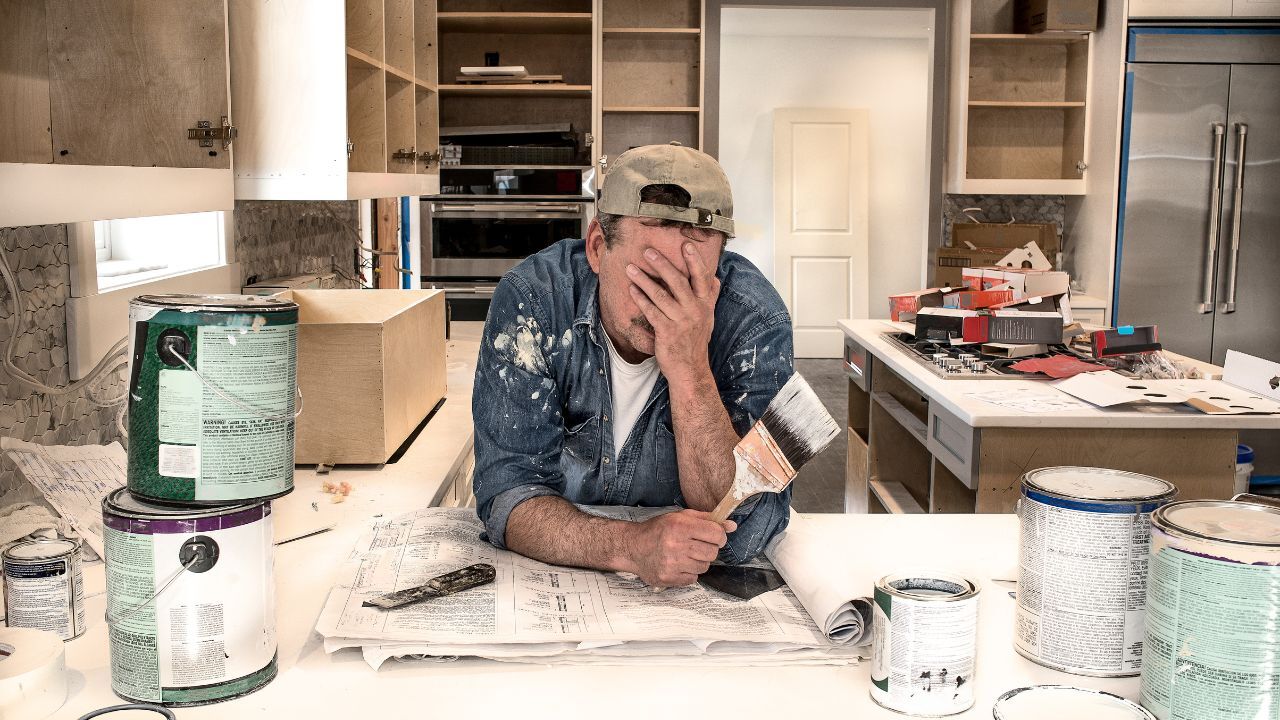 Buying a fixer-upper can be a smart way to build equity, customize a home, and stay within budget in a competitive market. The challenge is knowing the difference between a great investment and a true money pit. As real estate professionals, we guide buyers through this decision every day. With the right preparation and the right expectations, you can choose a home with potential instead of one that drains your savings and your sanity.
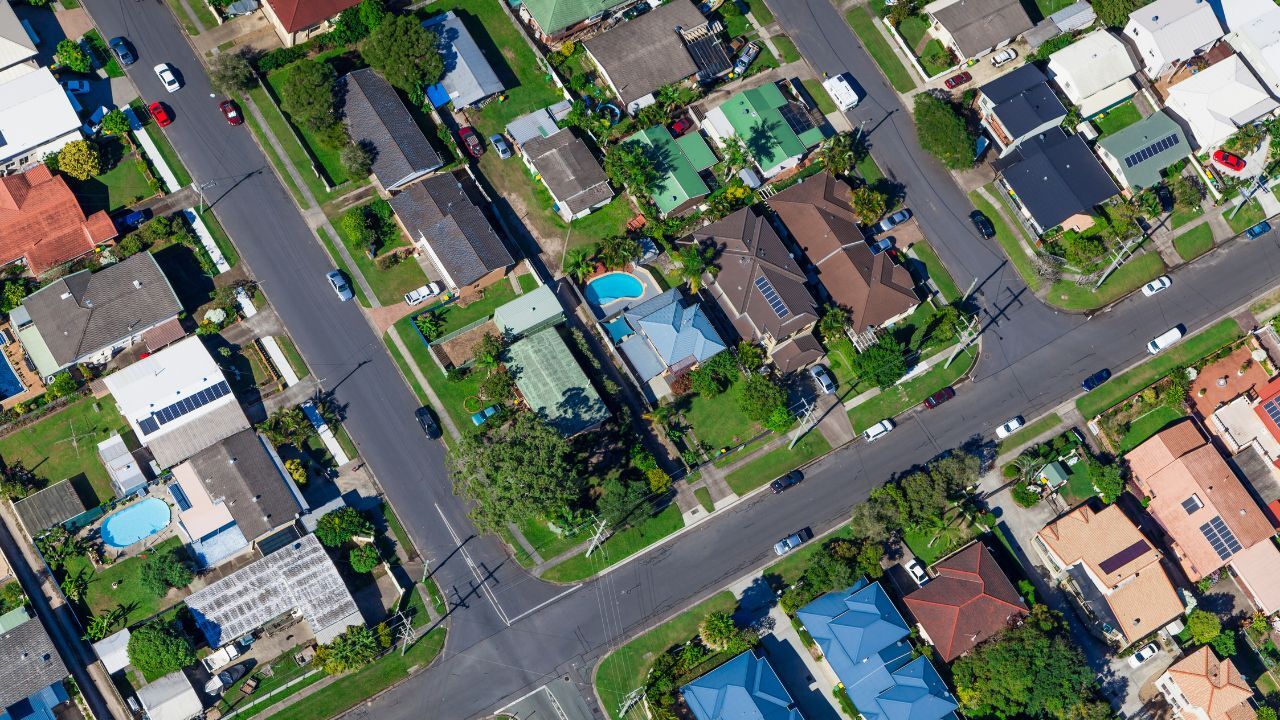 Finding a home with a low price can feel exciting, especially in a competitive market. However, the lowest priced home on the block is not always the best value. While it may seem like a smart way to save money, the true cost often becomes clear only after you look deeper. Understanding the risks and hidden factors can help you avoid a purchase that may cost more in the long run.
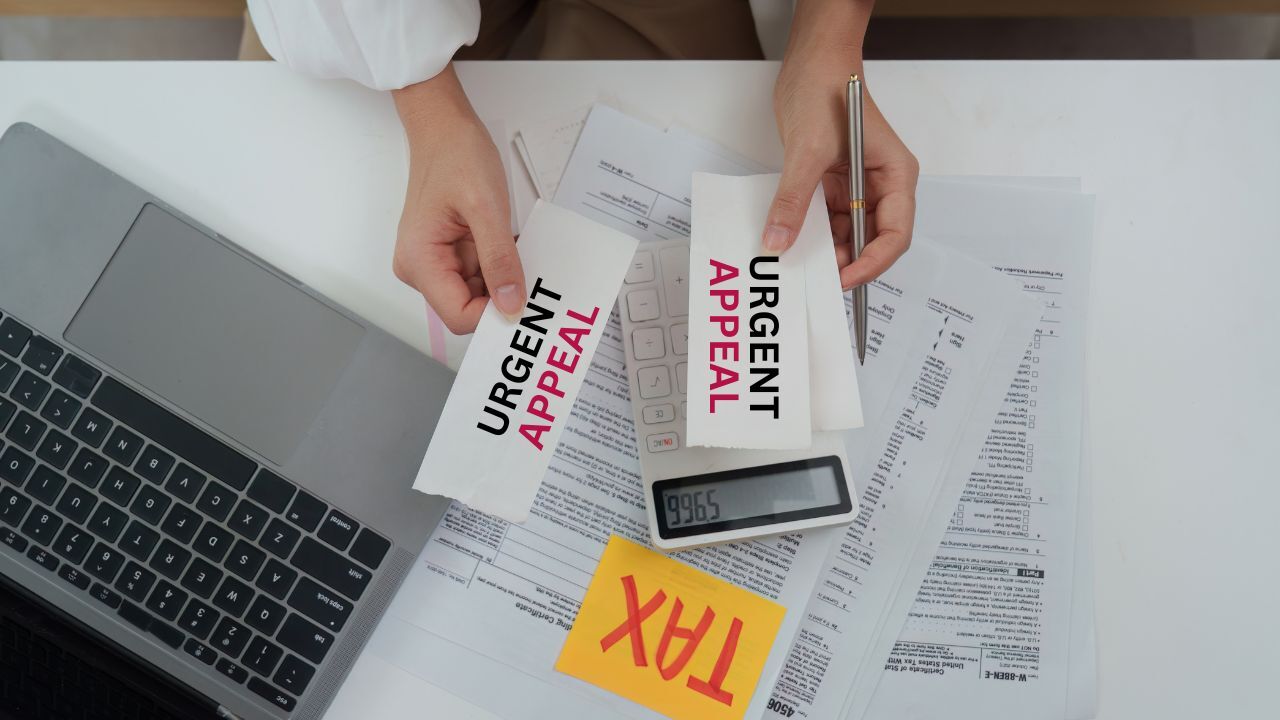 Many homeowners are surprised when they receive their annual property tax bill and notice an increase that feels higher than expected. The good news is that you have the right to appeal your property tax assessment if you believe it does not reflect the true value of your home. Understanding the process can help you protect your budget and ensure that you are being taxed fairly.
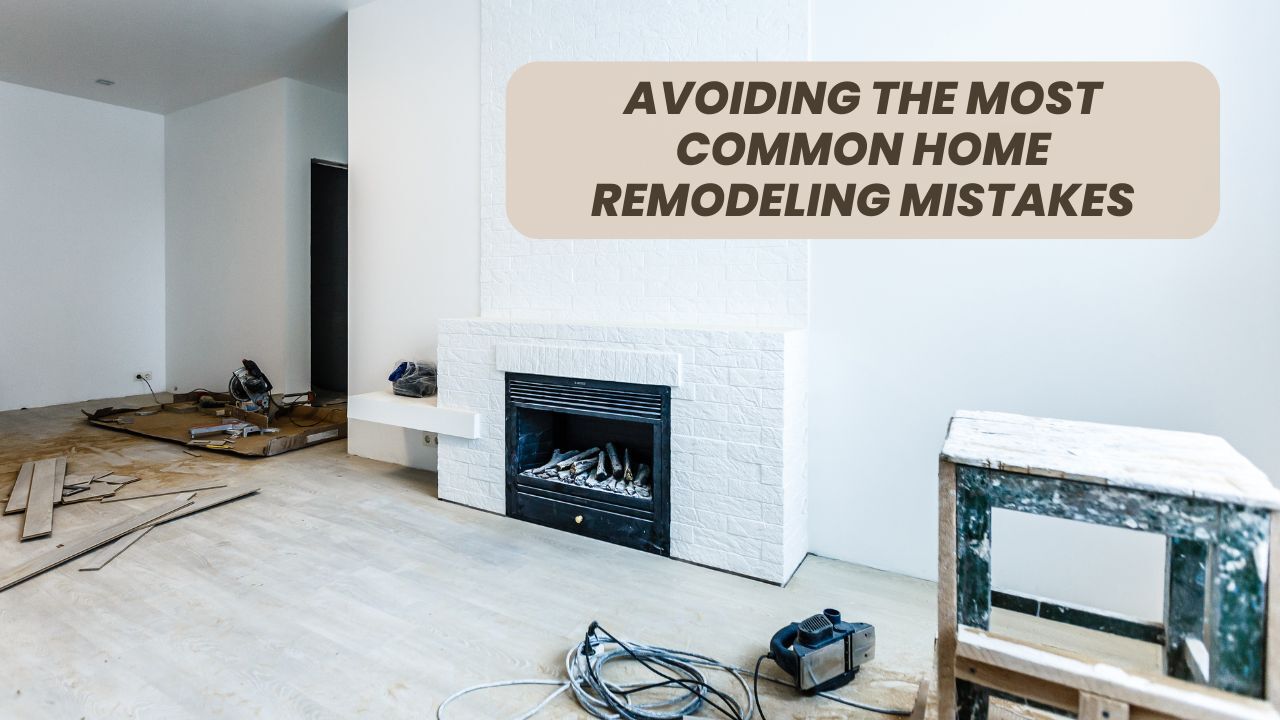 Remodeling your home can be exciting, but it can also lead to frustration if you run into unexpected problems. Many homeowners make the same mistakes when they start renovation projects, which can lead to delays, extra costs, and disappointing results. With a little planning and the right guidance, you can avoid these common issues and enjoy a smooth and successful remodel.