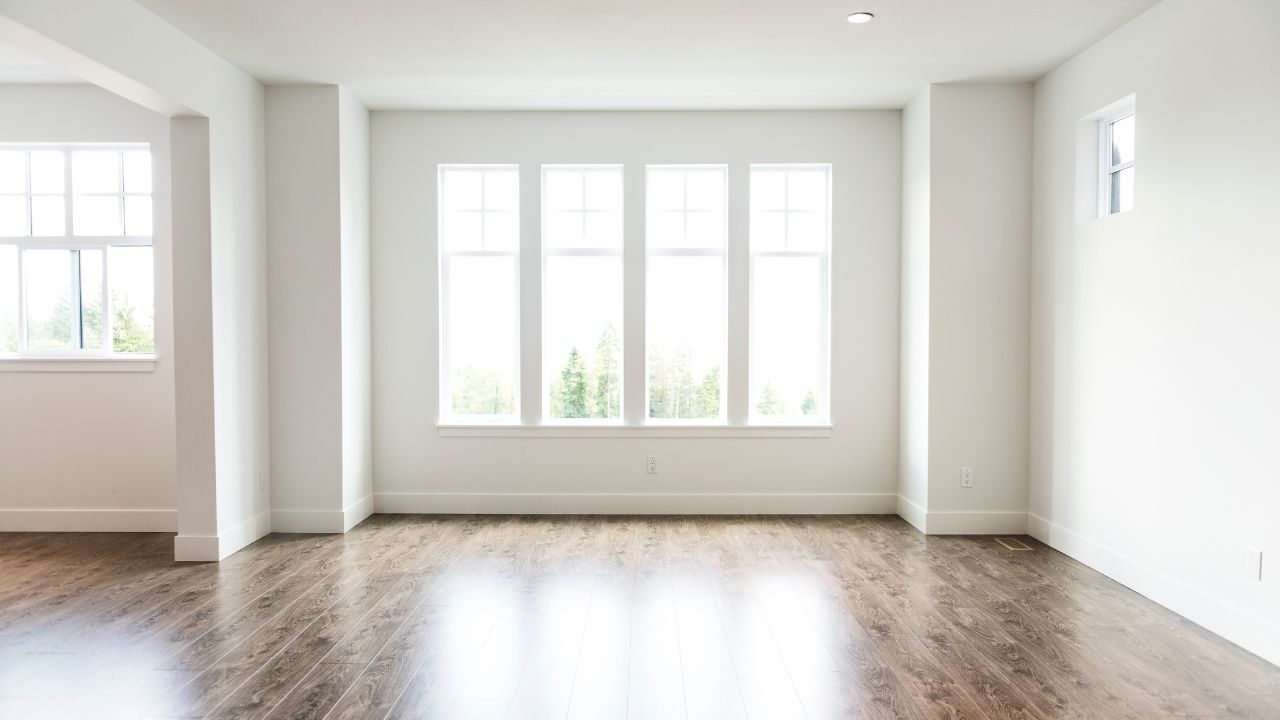
 Move-in ready is one of the most popular phrases in real estate, but it does not mean the same thing to everyone. For some buyers, move-in ready means fresh paint, updated finishes, modern appliances, and no visible projects. For others, it means the home is safe, clean, functional, and does not need major repairs immediately. Understanding your personal definition can prevent disappointment.
Style Is Not the Same as Function
A home may be technically move-in ready because the plumbing works, the roof is functional, the heat runs, and the property meets basic expectations. But that does not mean it matches your taste. Older cabinets, dated countertops, worn carpet, or paint colors you dislike may still be present. If your definition of move-in ready includes style, you may feel frustrated when a listing uses the term more practically.
Do Not Reject Livable Homes Too Quickly
On the other hand, buyers sometimes reject homes that are perfectly livable because they are not visually updated. This can be a missed opportunity. If the layout, location, structure, and price are strong, cosmetic updates may be manageable over time. The key is knowing which issues are cosmetic and which are costly or urgent.
Break Readiness Into Categories
It helps to separate move-in ready into 3 categories. The first is safety and function. Does the home have working systems? Are there obvious health or safety concerns? Is the property habitable? The second is maintenance. Are there aging components that may need attention soon, such as the roof, heating and cooling system, water heater, windows, or exterior? The third is preference. Do you like the finishes, colors, lighting, and design choices?
Separate Emotion From Reality
Many buyers mix these categories together emotionally. A dated bathroom may feel like a problem, but it is very different from a leaking bathroom. Old carpet may be annoying, but it is different from foundation movement. A kitchen you dislike may be inconvenient, but it is different from unsafe electrical issues. Distinguishing between these categories can help buyers make clearer decisions.
Your Budget Changes the Definition
Budget also affects the definition. A buyer with extra cash after closing may be comfortable with cosmetic projects. A buyer using most of their savings to purchase may need a home that requires very little immediate spending. Neither buyer is wrong. They simply need different levels of readiness.
Create Your Own Checklist
Before touring homes, write your own move-in ready definition. What must be done before you would feel comfortable living there? What could you tolerate for 6 months? What could wait a few years? What would be a dealbreaker?
Move-in ready should not be a vague marketing phrase that controls your expectations. It should be a personal checklist based on your budget, timeline, tolerance for projects, and lifestyle. Once you define it clearly, you can evaluate homes with more confidence and less frustration.